
pawnbroking guide
Loan-to-Value in Luxury Pawnbroking: Why Loans Are a Fraction of Resale Value
Why a pawnbroker lends only part of what your watch, bag or jewellery would sell for, and the risks and costs that shape the loan-to-value ratio.
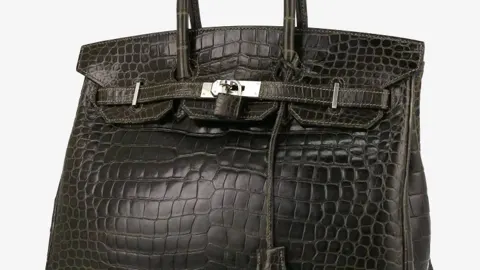
The number that surprises first-time borrowers
Many people arrive at a pawnbroker knowing roughly what their watch or handbag sells for on the secondary market, and are taken aback when the loan offered is noticeably lower. The gap is not a sign of meanness or a misjudged valuation. It reflects a ratio at the heart of all secured lending, known as loan-to-value, which expresses the loan as a proportion of what the lender believes the collateral is worth.
A mortgage works on the same principle. Banks rarely lend the full value of a house because prices move and selling takes time. In pawnbroking the logic is sharper still, because the lender has no recourse to the borrower beyond the pledged item itself. If the loan is not repaid, the object is the only source of repayment, so the lender must be confident it will cover the debt even in a bad month.
Which value the ratio is measured against
The word ‘value’ hides several different numbers. There is the retail price in a boutique, the asking price on a dealer’s website, the hammer price at auction and the figure a trade buyer would pay for immediate cash. A pawnbroker usually anchors its thinking to something close to the last of these, a realistic, reasonably quick sale value, because that is what it would actually recover if forced to sell.
So when a borrower compares the loan with the price of a similar watch on a glossy retail listing, they are measuring against the most optimistic number available. Dealer prices include margin, servicing, warranty and the cost of waiting for the right buyer. The lender’s base figure strips those away. The ratio is then applied to that more conservative base, which is why the final offer can feel doubly discounted.
Price risk: what could happen before the loan ends
The lender is committing money for months, and luxury prices do not stand still. Certain steel sports watches, for example, saw secondary prices climb steeply and then retreat, and some handbag lines have gone through their own cycles of scarcity and correction. Gold moves daily. A loan that looks comfortable at the start of a six-month term could look thin by the end if the market softens, particularly once accumulated interest is added to the original advance and the debt grows while the collateral shrinks.
The margin between loan and value is essentially a cushion against that movement. The more volatile the category, the thicker the cushion tends to be. Classic, widely traded pieces with long price histories may attract higher ratios, while fashionable items riding a wave of hype, or rare pieces with few comparable sales, may attract lower ones. The lender is pricing uncertainty as much as the object itself, and a longer loan term naturally carries more of it.
The costs of getting it wrong, and of selling at all
Even when prices hold, recovering money from an unredeemed pledge is not free. There may be auction commission, photography, cataloguing, servicing or cleaning, insurance during the sale process and the staff time spent managing it all. The law also requires that, for pledges above a statutory threshold, the lender gives notice before sale and accounts to the borrower for any surplus. The lender cannot simply keep a windfall, so selling above the debt brings it no extra reward on that pledge.
That combination shapes the ratio. The lender bears most of the downside of a poor sale, yet any upside beyond the debt and costs belongs to the borrower. A rational lender therefore sets the loan at a level where even a disappointing sale should clear the balance. Authentication risk plays a part too: a small residual doubt about a piece’s originality, perhaps a replaced dial or an unverifiable stone, may translate into a more cautious offer rather than an outright refusal.
What pushes the ratio up or down
Several factors reliably improve an offer. Complete documentation, such as original box and papers for a watch or a recognised laboratory report for a diamond, removes doubt. Excellent condition helps, as does a model with deep, liquid demand. Signed jewellery from major houses generally borrows better than anonymous pieces of similar materials, because buyers pay for the name as well as the metal and stones. A recent service history from a recognised workshop can reassure a watch lender in the same way.
Other factors pull the ratio down. Heavy wear, non-original parts, polishing that softens a watch case’s edges, and aftermarket modifications all narrow the pool of buyers. So do items that are very large in value relative to their market, because selling them quickly might require a meaningful discount. Items in categories the lender rarely handles may also be treated cautiously, simply because it has less confidence about where it would sell them. The borrower’s own story matters little; the object’s saleability matters a great deal.
Reading the offer as a borrower
A lower ratio is not automatically worse for the borrower. A smaller loan means less interest, a smaller sum to find at redemption and a lower chance of the debt overtaking the item’s value. Borrowing only what is genuinely needed, rather than the maximum available, is a sensible discipline. It is also reasonable to ask a lender how it reached its figure and which value it used as the starting point.
Comparing offers is worthwhile, but compare the whole package: the loan, the interest rate and APR, the total amount payable and the terms around extensions and sale. A generous headline advance with steep charges can cost more than a modest one. And if the gap between loan and resale value makes borrowing feel pointless, it may be worth pricing an outright sale, for example through a private valuation with EncoreLuxe, before deciding.