
pawnbroking guide
Pawning Diamond Jewellery: How the Four Cs Shape Your Loan
How carat, colour, clarity and cut shape what a pawnbroker will lend against diamond jewellery, and why the loan tracks resale, not the price you paid.
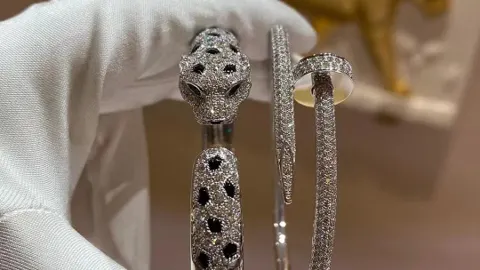
A lender looks at a diamond differently from a jeweller
When a diamond ring or pendant crosses a pawnbroker’s counter, the question being asked is not what it cost, nor what it would fetch in a Bond Street window. It is what the stone could realistically be sold for if the loan were never repaid. That shift in perspective explains most of the surprise borrowers feel when they hear an offer. Retail diamond prices carry design, marketing, rent and margin; a lender can only count the part of the value that survives a sale into the trade.
The framework the lender uses to estimate that surviving value is the one every jeweller knows: carat, colour, clarity and cut. The Four Cs were popularised in the mid-twentieth century by the Gemological Institute of America as a common language for describing diamonds, and they remain the backbone of trade pricing. For a pawnbroker, each C is less a mark of beauty than a variable in a risk calculation, and understanding how each is weighed helps a borrower anticipate the conversation.
Carat weight and the price jumps at round numbers
A carat is a unit of mass equal to one fifth of a gram, and it is the single most influential factor in what a diamond is worth. Value does not rise in a straight line with weight. Larger stones are disproportionately rarer, so the price per carat climbs as size increases. A two-carat diamond is typically worth considerably more than two one-carat diamonds of the same quality, and a lender’s valuation reflects that curve. It is one reason two rings with centre stones of similar size can attract surprisingly different offers.
The trade also recognises what are sometimes called magic sizes. Stones at or just over half a carat, three quarters, one carat and so on command a noticeable premium over stones fractionally below those thresholds, because buyers shop by round numbers. A diamond weighing 0.98 carats may look identical to one of 1.01 carats, yet it trades at a lower price per carat. Pawnbrokers weigh loose stones precisely where they can, and estimate the weight of set stones from measurements, allowing a margin for uncertainty.
Colour: why the letters matter more than they appear to
The standard colour scale for white diamonds runs from D, which is colourless, down the alphabet to Z, where a yellow or brown tint is obvious. The differences between neighbouring grades are often invisible to the untrained eye, particularly once a stone is set in yellow gold, which can mask a warm tint. Yet each step down the scale is reflected in trade price lists, so a lender pays close attention to where a stone sits.
Without a grading report, a pawnbroker will estimate colour using master stones or a calibrated instrument under controlled light, and will tend to grade conservatively. That caution is not meanness; an overestimate of even one or two grades can erase the lender’s safety margin on a larger stone. Fancy coloured diamonds, such as intense yellows or pinks, sit outside the D to Z scale entirely and are valued on hue, tone and saturation, often requiring specialist opinion before a lender commits.
Clarity and the inclusions only a loupe can see
Clarity describes the internal features and surface marks every natural diamond carries to some degree. The scale runs from flawless, through very very slightly and very slightly included grades, to slightly included and included stones where features may be visible without magnification. Most diamonds seen in everyday jewellery sit in the middle of the scale, and for those, a lender is primarily interested in whether any inclusion affects durability or brilliance rather than its mere presence.
Certain features matter more than their grade suggests. A feather that reaches the surface can be a point of weakness if the stone is knocked; a cloud of pinpoints may make a diamond look milky; a dark crystal under the table is more noticeable than a white one near the girdle. Treatments are also a concern. Laser drilling and fracture filling improve appearance but reduce value, and a pawnbroker who suspects either will price accordingly or ask for a laboratory opinion before lending.
Cut: the C that separates lively stones from dull ones
Cut is the one factor determined by human skill rather than nature, and it governs how well a diamond returns light. A well-proportioned round brilliant looks bright and lively; a stone cut too deep or too shallow leaks light and appears dark or glassy, even with good colour and clarity. Grading laboratories assess cut on round brilliants with a scale from excellent to poor, and the difference shows up clearly in resale prices. Lenders will often look at a stone face up beside a well-cut reference diamond, because poor proportions are easier to see side by side than to describe.
Shape matters too. Round brilliants are the most liquid diamonds in the trade because demand for them is constant, so lenders tend to feel most comfortable with them. Fancy shapes such as ovals, pears, emerald cuts and cushions can be beautiful but trade in thinner markets where fashion plays a larger role. A pawnbroker may therefore lend a little more cautiously against an elongated pear than against a round stone of similar weight and quality, simply because it may take longer to sell.
From the Four Cs to the figure on your agreement
Once the stone has been assessed, the lender considers the rest of the piece. The metal is weighed and tested, smaller accent diamonds are estimated in aggregate, and the setting is checked for worn claws or damage. A well-made mount by a recognised house can add value, while a generic setting usually contributes little beyond its metal. The loan offered is then a proportion of the estimated trade value, leaving room for interest, costs and the possibility of prices falling.
Borrowers can help themselves by bringing any grading report, receipt or previous valuation, and by being realistic about the gap between insurance values and resale values. Read the credit agreement carefully, note the redemption period and total charge for credit, and compare offers from more than one regulated lender. Above all, borrow only what you are confident you can repay within the agreed term, since a diamond is far easier to pledge than to replace. For owners who would prefer to sell a diamond outright rather than borrow against it, EncoreLuxe offers private valuations with no obligation.