
pawnbroking guide
How to Prepare a Luxury Item for a Pawn Valuation
What to gather, clean and leave alone before a pawn valuation of a watch, jewel or designer bag, and how preparation affects the offer you receive.
Why preparation changes the outcome
A pawnbroker’s valuation is an exercise in confidence. The lender is trying to judge what an item would realise if it ever had to be sold, and every uncertainty, whether about authenticity, condition or completeness, pushes that judgement towards caution. A borrower who arrives with documentation in order and a clear account of the item’s history removes many of those uncertainties before the loupe even comes out. Good preparation also shortens the appointment, which suits borrowers who need funds quickly.
Preparation does not mean dressing an item up to look better than it is. Experienced valuers see through cosmetic efforts instantly, and some interventions actively reduce value. It means presenting the object honestly, with everything that supports its identity and provenance, so that the valuer can do their work quickly and fairly. A little effort beforehand can make the difference between a cautious offer and one that reflects the item’s true standing in the market.
Gathering the paperwork
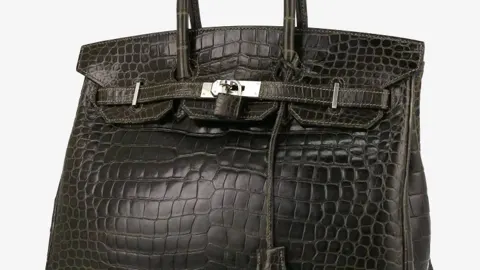
Start with documents. For a watch, that means the original box, warranty card or certificate, any booklets, spare links and service records from the manufacturer or a reputable watchmaker. For jewellery, look for purchase receipts, valuation reports, and any grading report from a recognised gemmological laboratory. For designer handbags, the dust bag, box, authenticity card where issued, and original receipt all help. Keep everything together in one folder or envelope so that nothing is forgotten on the day of the appointment.
Do not worry if some of these are missing; plenty of fine items change hands without them. But what you do have is worth bringing, and it is also sensible to bring photographic identification and proof of address, since the lender will need to verify your identity under anti-money laundering rules. If you inherited the piece, a note of how it came to you, such as a will or a letter from an executor, can answer questions about ownership before they arise.
Cleaning: a light touch only
The temptation to polish is understandable but often misguided. For watches, a gentle wipe with a soft, dry microfibre cloth to remove fingerprints is fine; aggressive polishing of the case, by contrast, can soften sharp edges and bevels, which serious buyers and lenders prize. On vintage pieces especially, original finishing matters more than a gleaming surface, and a watch that has been over-polished can lose significant appeal. If in doubt, leave the case exactly as it is and let the valuer see it honestly.
For jewellery, a soft brush and lukewarm water with a little mild soap is usually safe for diamonds set in gold or platinum, but porous or treated stones such as emeralds, opals and pearls require far more care and are best left alone. Never use ultrasonic cleaners on pieces whose stones you are unsure about. With handbags, remove any contents, shake out debris, and resist applying leather conditioners, which can darken or stain.
What to leave well alone
Some things should not be done before a valuation at all. Do not attempt to service a watch or have it serviced in a hurry merely to impress a lender; a recent service can be helpful, but parts replaced by an unofficial workshop may raise more questions than they answer. Do not remove or replace worn straps, clasps or hardware with non-original parts, since originality is usually worth more than freshness. If originals have been lost, say so plainly.
Similarly, resist the urge to repair or recolour worn corners on a handbag, re-plate jewellery, or tighten stones yourself. If there is a genuine problem, such as a loose stone, mention it to the valuer, who can factor it in or advise. Honesty about known faults builds trust; discovering an undisclosed issue during inspection does the opposite and tends to make a valuer more conservative about everything else. Candour, in short, tends to be rewarded.
Knowing your item before you arrive
It helps enormously to know what you own. For a watch, note the reference and serial numbers, usually found on the case, papers or both, and learn what the model is. For jewellery, understand the metal, the approximate weight of any principal stones if a report exists, and whether the piece is signed by a known house. For handbags, know the model, size, leather and year if possible. Photographs of any serial numbers kept on your phone can be useful should paperwork later go astray.
Doing a little research into recent public sale prices can calibrate expectations, but remember that a pawn loan is a proportion of what the lender could realise, not the retail price you would pay in a boutique. Arriving with realistic expectations keeps the conversation constructive. It also puts you in a better position to understand the valuer’s reasoning and to judge whether an offer is fair. Unrealistic hopes, by contrast, tend to make every offer feel like a disappointment.
At the appointment and afterwards
During the valuation, ask the valuer to explain what they are looking at and how they reach their figure. A reputable lender will be happy to talk you through authentication points, condition observations and market context. Make sure the item’s condition is recorded in writing, ideally with photographs, and keep a copy together with your credit agreement and pledge receipt. Check that the description on your receipt matches the item precisely, including any reference or serial numbers, before you leave.
You are under no obligation to accept an offer, and comparing more than one lender is sensible for valuable pieces. If the process leaves you thinking you would rather sell than borrow, the same preparation will serve you well, and EncoreLuxe offers private valuations for owners considering an outright sale. Either way, read any agreement carefully before signing, confirming the interest, total repayable and the redemption period of at least six months.