
pawnbroking guide
Rebranding the Pawnbroker: How the Industry Changed Its Image
How pawnbrokers moved from side-door discretion and Victorian stigma to bright shopfronts, luxury salons, new language and a regulated, respectable image.
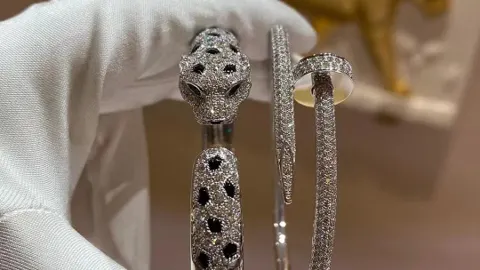
A trade with a reputation to repair
Few businesses have carried as heavy a cultural burden as the pawnbroker. For much of the nineteenth and twentieth centuries the word conjured images of poverty, desperation and faintly disreputable dealing. Novelists placed pawnshops in the darker corners of their cities, music-hall songs joked about pledging the family’s best clothes, and respectable households preferred not to admit that they used them. Even when the trade was performing a genuinely useful service, its image lagged behind.
Over recent decades the industry has worked hard to change that perception. The process has involved architecture and interior design, language and marketing, regulation and professional standards, and a deliberate move towards higher-value collateral. This article looks at how pawnbrokers have tried to reshape their public face, what has changed and what has stayed the same, and why the effort has mattered so much to the trade’s modern positioning, particularly at the luxury end.
From side doors to shop windows
The Victorian pawnshop was designed around shame. Many premises had a main entrance for the retail side of the business, selling unredeemed goods, and a separate side door, often down an alley, for those coming to pledge. Inside, partitioned booths allowed customers to transact without being seen by neighbours. This architecture of discretion acknowledged a social reality: pawning was common, but admitting to it was not. Discretion was built into the bricks, and customers relied on it.
The later twentieth century saw a deliberate reversal. High-street pawnbrokers adopted bright, open shopfronts, clear signage and modern interiors that resembled banks or jewellers. Windows displayed well-presented pre-owned jewellery and watches for sale. The aim was to make walking through the door feel ordinary rather than furtive. At the top of the market, the design language shifted again towards private appointment rooms and hushed salons, combining modern openness about the business with old-fashioned discretion about the client.
The golden balls: keep, polish or drop?
No symbol is more closely associated with pawnbroking than the three golden balls, a sign that tradition links to St Nicholas and to the Medici and Lombard bankers of Italy. For rebranding businesses the sign posed a dilemma. It carried instant recognition and a sense of heritage, but also every negative association the trade was trying to shed. Different firms have answered the question in different ways. Those links are best treated as tradition rather than established fact.
Some traditional pawnbrokers have kept the balls proudly, even restoring antique hanging signs as a mark of longevity. Others have incorporated them subtly into modern logos, or dropped them altogether in favour of branding that emphasises lending, valuation or luxury. At the high end, the balls are often absent entirely, replaced by understated nameplates. The choice reveals how each business sees its own identity: as the heir to a centuries-old craft, or as a new kind of financial service.
The language of lending
Words have been central to the rebranding. Where earlier generations spoke of pawning, popping or taking things to Uncle, modern firms often describe their services as asset-backed loans, luxury lending, secured loans against valuables or private liquidity. The shift is partly about precision, since the legal framework under the Consumer Credit Act is indeed that of regulated credit, but it is also about tone. The newer vocabulary borrows from private banking rather than the back street.
Some critics see this as euphemism, masking a traditional product in fashionable language. There is truth in that, and borrowers should look past the terminology to the substance: the agreement, the charges and the rights on redemption and sale. Yet the change in language also reflects a genuine change in clientele and collateral. A business owner borrowing against a Patek Philippe to cover a tax bill may reasonably see the transaction differently from a Victorian labourer pledging a coat.
Regulation as reputation
Perhaps the most powerful tool in the rebranding has been regulation itself. When the Financial Conduct Authority took over consumer credit in April 2014, pawnbrokers became subject to the same authorisation regime and conduct standards as other credit providers. For a trade long associated with informality, the ability to say that it was authorised and regulated by the FCA carried real weight. It placed pawnbroking firmly within the mainstream financial system.
Industry bodies reinforced the message. The National Pawnbrokers Association, the UK trade body, promotes a code of practice and represents the sector in discussions with regulators and policymakers. Emphasising the differences between pawn loans and unsecured high-cost credit became an important theme, particularly during periods when payday lending attracted criticism. The industry’s argument was simple: a pledge-based loan, with statutory redemption rights and no need to chase the borrower, is a fundamentally different product.
Has the new image stuck?
The rebranding has undoubtedly changed perceptions in some quarters. Luxury pawnbroking attracts coverage in lifestyle and business media, and the idea of borrowing against a watch or handbag is discussed openly in a way that would once have been unthinkable. The broader rise of pre-owned luxury has helped, normalising the idea that valuable objects can be traded, lent against and resold without embarrassment. Younger clients, raised on resale platforms, often bring fewer preconceptions than their parents or grandparents did.
Yet the older associations have not vanished, and they may never do so entirely. Much depends on how individual firms behave: transparent charges, fair treatment and genuine expertise do more for the trade’s reputation than any logo or vocabulary. For owners weighing their options, the image matters less than the terms. Read the agreement, compare lenders and consider whether selling might suit you better. Those who prefer a sale can arrange a private valuation with EncoreLuxe.