
pawnbroking guide
Why Designer Clothing Is Rarely Accepted as Collateral
Clothing was once Britain’s most common pledge. Here is why modern pawnbrokers rarely lend against designer fashion, and the few exceptions to the rule.
When clothes filled the pawnshop
It is one of the ironies of pawnbroking history that clothing, now rarely accepted, was once the backbone of the trade. In Georgian and Victorian Britain, a working family’s best clothes were often its most valuable movable possessions. The weekly rhythm of pledging Sunday garments on a Monday and redeeming them before the weekend was a familiar part of life in poorer districts, and pawnbrokers’ shelves were stacked with coats, dresses, shawls and bedding wrapped in paper and tagged with tickets.
Those garments were valuable because textiles were expensive relative to wages and because a thriving second-hand clothing trade existed to absorb unredeemed pledges. Cloth was durable, styles changed slowly for most people, and garments were routinely altered, remade and handed down. The economics that made clothing a sensible pledge in 1850 have largely disappeared. Understanding why helps explain the modern pawnbroker’s reluctance, even when faced with a coat bearing one of the most famous labels in the world.
The depreciation problem
The central difficulty is depreciation. Most designer clothing loses a large share of its retail value the moment it is worn, and often before, as seasons turn and new collections arrive. Unlike a classic handbag or a steel sports watch, a ready-to-wear jacket rarely enjoys a secondary market in which demand exceeds supply. Resale prices can be a small fraction of the original price, and they are hard to predict. A lender cannot confidently advance money against a value that may halve by the end of the loan term.
Fashion cycles compound the problem. A piece that looks current today may appear dated within a year, and while some designs later become sought-after vintage, few lenders are willing to wait decades to find out. Handbags, jewellery and watches tend to be bought in a handful of classic configurations whose appeal persists. Clothing is bought across countless styles, colours and cuts, and each season introduces more. The pool of buyers for any particular garment is correspondingly small.
Sizing, fit and the narrow buyer
Even when a garment holds some value, it can only be sold to someone it fits. A handbag suits almost any owner; a jacket in a particular size, cut for a particular silhouette, appeals to a small fraction of buyers. Sizing also varies between houses and across decades, and alterations made for the original owner can make a piece harder still to resell. This narrowness of market is a significant concern for a lender who may need to sell an unredeemed pledge quickly.
Condition is another challenge. Fabrics pill, stretch, fade and absorb odours; delicate materials such as silk, cashmere and lace can be damaged by moths or careless storage. Assessing condition requires close examination of seams, linings and fabric surfaces, and grading is highly subjective. A lender accustomed to judging diamonds or watch movements may lack the specialist knowledge to value textiles accurately, which increases the risk of a costly mistake and makes many lenders unwilling to try.
Authentication and storage headaches
Counterfeit designer clothing is widespread, and authenticating garments can be harder than authenticating handbags. Labels, care tags, stitching and fabric composition all provide clues, but they vary across seasons and production sites, and the reference material a specialist needs is extensive. Few pawnbrokers invest in that expertise for a category that offers limited returns, preferring to concentrate on items where their knowledge produces reliable valuations and where an error is less likely to surface only at the point of sale.
Storage presents further obstacles. Garments take up space, must be hung or folded carefully, and require protection from moths, damp, dust and light. Leather and suede need conditioning; furs need cold storage to prevent deterioration. For a lender holding pledges for six months or more, the cost and risk of keeping clothing in good condition can outweigh the modest interest earned. This practical consideration, as much as valuation, explains why so few modern pawnbrokers accept clothes at all.
The exceptions that prove the rule
There are exceptions, though they are rare. Haute couture pieces with documented provenance, archive garments from celebrated collections and items associated with notable designers or occasions can command serious interest from collectors and museums. Some outerwear, particularly high-quality furs and shearling, has historically been accepted by lenders equipped to store it properly. A specialist dealing in vintage fashion may lend against such pieces, but the valuation will be conservative and the due diligence thorough.
Even here, the lender’s question remains the same: could this garment be sold, reliably and without a steep discount, if the loan were not repaid? For most wardrobes, however expensive, the answer is no. For a small number of exceptional pieces, the answer may be yes, but finding a lender with the right expertise can take effort. Owners of such pieces may find auction houses or specialist fashion dealers better placed to advise on their value.
What owners of fine wardrobes can do instead
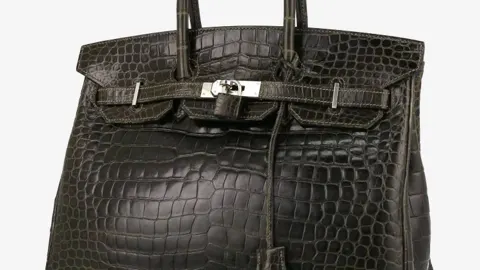
For owners seeking liquidity from designer fashion, the realistic options usually lie elsewhere. Handbags, small leather goods from the most liquid houses, and accessories such as jewellery and watches are far more likely to be accepted as collateral. Clothing is more often sold through consignment, resale platforms or specialist dealers, where buyers can try pieces on and where a sale can take its time. Each route has its own fees and timescales, and owners should compare them carefully.
Anyone considering borrowing against any luxury item should read the pawn agreement in full, understand how charges accrue and consider whether a loan is the right tool at all. For owners who would simply prefer to sell pieces from their collection, EncoreLuxe offers private valuations. The broader lesson from clothing’s fall from the pawnbroker’s shelves is that collateral depends on predictable resale, and very little in a wardrobe can offer that.