
pawnbroking guide
From High Street to High End: How Pawnbroking Went Upmarket
How pawnbroking moved from high-street gold loans to discreet West End lending against fine watches, signed jewellery and designer handbags.
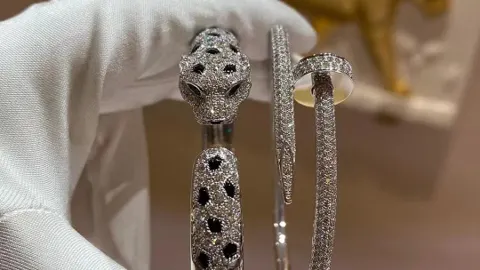
A trade that followed the valuables
Pawnbroking has always lent against whatever ordinary life made valuable. For Victorian households that meant clothes, bedding and tools; for twentieth-century families it increasingly meant gold rings and watches. In recent decades another shift has taken place. As luxury goods have become more widely owned, better documented and more easily traded, a segment of the industry has moved decisively upmarket, lending substantial sums against fine watches, signed jewellery, rare handbags and other high-value objects.
This change did not happen by accident. It relied on legal reform that removed the old ceiling on pawn loans, on a secondary market capable of pricing luxury goods with some confidence and on a clientele that valued speed and privacy over the paperwork of conventional finance. The result is a distinct tier of the trade, sometimes housed in discreet premises in the West End, that shares its legal basis with the high street but differs sharply in atmosphere and scale.
When luxury goods became liquid assets
The foundation of high-end pawnbroking is liquidity. A lender will only advance a large sum against an object if it can be confident of selling that object should the loan go unredeemed. Over the past few decades, certain luxury categories have developed deep, well-observed resale markets. Particular steel sports watches from leading Swiss houses, signed pieces from celebrated jewellers and certain classic handbags now trade widely among dealers and at auction, giving lenders reference points for value.
Not every expensive item qualifies. Couture clothing, heavily personalised jewellery and pieces from brands with thin resale markets often make poor collateral, however much they cost new. Luxury pawnbrokers therefore concentrate on objects that combine recognised quality, verifiable authenticity and consistent demand. In effect, the secondary market does much of the lender’s risk assessment, and the trade has grown in step with the maturing of that market. Brand recognition alone is never enough; what matters is proven demand from buyers.
The asset-rich, cash-poor client
The typical client of a luxury pawnbroker is often misunderstood. Many are not in financial distress in the traditional sense. Some are business owners managing uneven cash flow, some are collectors waiting for another asset to sell, and some simply need funds quickly for a short period without disturbing investments or applying for conventional credit. What unites them is that significant wealth is tied up in objects rather than cash, and that an asset-backed loan can bridge a timing gap.
Because the loan is secured on the pledge, approval depends primarily on the object’s value rather than on a lengthy assessment of the borrower’s finances, though lenders must still meet FCA requirements. The ability to arrange funds quickly, often within a single appointment, appeals to people for whom speed matters. The trade’s shift upmarket is, in large part, a response to this kind of demand, which mainstream banks are not always structured to meet.
Expertise as the core product
Moving upmarket changed the skills a pawnbroker needs. Lending against a gold chain can rely largely on weight and purity, but lending against a complicated wristwatch or an important diamond requires deep specialist knowledge. High-end pawnbrokers invest in gemmology, horology and handbag authentication, whether through in-house experts or trusted specialists. They must judge authenticity, condition, originality and market demand, often under time pressure, with significant sums at stake if they get it wrong.
That expertise protects both parties. An accurate valuation gives the borrower a fair loan and gives the lender confidence that the pledge would cover the debt in a sale. It also underpins compliance, since pawnbrokers dealing in valuable items must observe anti-money laundering rules and guard against stolen or counterfeit goods. For the luxury tier of the trade, knowledge has become as important an asset as capital. Mistakes, in either direction, are costly.
Discretion, vaults and the private room
The architecture of the luxury pawnbroker could hardly be further from the Victorian shop with its side door and partitioned boxes, yet both answered the same need for privacy. Today that need is met with appointment-only consultations, private rooms and quiet addresses. The client may never see a counter at all. Items are photographed, recorded and sealed, then transferred to secure vaults with specialist insurance, where they are stored in conditions suited to watches, jewellery or leather goods.
Technology has extended the reach of the upmarket trade. Online enquiries, video consultations and insured courier services allow clients outside London to seek valuations without travelling. The underlying legal framework, however, remains the same as on the high street. A pawn agreement is regulated under the Consumer Credit Act 1974, lenders must be authorised by the Financial Conduct Authority, and the redemption period is at least six months. Convenience, in other words, has not diluted the borrower’s legal protections.
Borrowing, selling and choosing well
For an owner considering a luxury pawn loan, the principles are straightforward. Read the credit agreement closely, understand how charges accrue over time and know what happens if the loan is not repaid. For pledges above a statutory threshold, the lender must give notice before sale and account for any surplus afterwards, but it is far better to plan redemption from the outset. Comparing several options, including other forms of credit, is sensible.
Pawning suits people who want their object back. Those who have decided to part with a piece permanently may find that selling it outright is simpler, with no interest and no redemption deadline. Owners in that position can request a private valuation from EncoreLuxe. The upmarket evolution of pawnbroking has given the owners of fine things more choices than ever, and the wisest decisions come from understanding each of them clearly.