
pawnbroking guide
Ten Myths About Pawnbroking, Debunked
Ten common myths about pawnbroking, from regulation and stolen goods to credit scores and instant forfeiture, examined and corrected for UK readers.
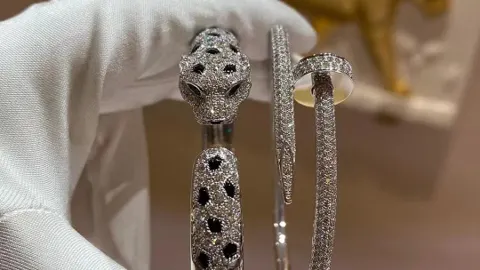
Myths one and two: desperation and disreputable dealing
The first and most persistent myth is that only people in desperate circumstances use pawnbrokers. It is true that pawnbroking has always served people short of money, but its clientele is broader than the stereotype suggests. At the luxury end, clients include business owners covering a temporary cash-flow gap, collectors who prefer not to sell and people who simply want quick, discreet access to funds without applying for a conventional loan. Motives are as varied as the items pledged.
The second myth is that pawnbrokers are shady operators trading in the grey economy. The image owes much to Victorian fiction and later film, but modern reality is very different. In the UK, pawnbrokers must be authorised by the Financial Conduct Authority, pawn loans are regulated under the Consumer Credit Act 1974 and firms are subject to Money Laundering Regulations when dealing in high-value goods. Many belong to the National Pawnbrokers Association, which promotes a code of practice.
Myths three and four: stolen goods and instant loss
Third comes the idea that pawnshops are a convenient outlet for stolen goods. Reputable pawnbrokers work hard to avoid precisely that. They verify identity, record detailed descriptions and serial numbers, check items against stolen-property registers where available and cooperate with the police. A pawnbroker who accepts stolen goods risks losing the item, the money advanced and potentially its authorisation, so the incentives run strongly against it. Rigorous checks protect honest borrowers as much as the lender.
The fourth myth holds that if you miss a payment, you immediately lose your item. In fact, UK law gives borrowers substantial time. The redemption period must be at least six months, and a borrower can redeem at any point until the pledge is actually sold, even after that period has ended. For pledges above a statutory value threshold, the pawnbroker must give notice before a sale. Charges continue to accrue, so delay has a cost, but loss is neither instant nor automatic.
Myths five and six: the loan and the leftover money
Fifth is the belief that a pawnbroker will lend you the full value of your item. Loans are always a fraction of resale value, because the lender must allow for price movements, selling costs, storage and insurance, and the possibility that the pledge will not be redeemed. Many owners are surprised by the gap between what they paid at retail and what they can borrow. Understanding that the loan reflects a cautious, forced-sale view of value helps set realistic expectations.
The sixth myth is that if a pledge is sold, the pawnbroker simply keeps everything. For pledges above the statutory threshold, the law requires the pawnbroker to account to the borrower for any surplus after the debt and permitted costs have been deducted. That surplus belongs to the borrower. It is worth keeping your contact details up to date with the lender so that notices and any surplus can reach you.
Myths seven and eight: payday loans and credit files
The seventh myth treats pawnbroking and payday lending as the same thing. Both can be short-term and relatively costly, but they differ fundamentally. A payday loan is unsecured and depends on the borrower’s future income, so a lender that is not repaid must pursue the borrower. A pawn loan is secured on an item held by the lender, with statutory redemption rights. Charges and APRs also differ between products, so comparing the total cost of any specific agreement is essential.
The eighth myth is that pawning always damages your credit score. Because a pawn loan is secured on the pledge, lenders often place much less weight on credit history, and many do not carry out the kind of credit search associated with unsecured borrowing. Practices do vary, however, and some lenders may check or report differently. Anyone concerned about their credit record should ask the pawnbroker directly how it handles credit searches and reporting before signing the agreement.
Myths nine and ten: fixed terms and forgotten valuables
The ninth myth is that you must repay everything in one lump sum on a fixed date. Many pawnbrokers allow early redemption, part-payments that reduce the balance, or renewal of the agreement by paying the interest due and agreeing a new term. The exact options depend on the lender and the agreement, and interest calculations differ, so it is worth asking how early repayment or part-payment would affect the total cost before you commit.
Tenth, and finally, is the myth that items left with a pawnbroker are casually stored and returned in worse condition. Specialist luxury lenders in particular invest in secure vaults, insurance and careful handling, because their business depends on returning pledges exactly as received. Watches, jewellery and handbags are typically logged, photographed and stored to protect them. Borrowers should still check how their item will be insured and inspect it carefully at collection.
Seeing pawnbroking clearly
Stripping away the myths reveals a trade that is neither as sinister as its old reputation suggests nor as effortless as some modern marketing implies. A pawn loan is a regulated, secured form of credit with clear statutory protections and real costs. It can be a sensible tool for short-term needs, especially for owners who want to keep a valued item, but it remains a debt that must be repaid or the item may be sold.
The best defence against misunderstanding is information. Read the credit agreement line by line, ask how charges are calculated, clarify what happens at the end of the redemption period and compare the offer with other options, including selling. Choosing a lender that is FCA-authorised and transparent about its terms is essential. Owners who decide that selling suits them better than borrowing can obtain a private valuation from EncoreLuxe, which buys luxury items outright.