
pawnbroking guide
The Shape of the UK Pawnbroking Market
A guide to how the UK pawnbroking market is structured, from high-street chains and independents to luxury specialists, regulation and the trade body.
A small industry with a long shadow
Pawnbroking occupies a curious place in British finance. Compared with banks, building societies and card issuers, it is a modest sector, yet it is one of the oldest forms of credit in the country and one of the most recognisable. The three golden balls still hang above shopfronts in many towns, and the word “pawn” carries associations that stretch back through Victorian London to medieval Lombard Street. Understanding its structure helps borrowers find the right kind of lender for their needs.
Today’s market is more varied than that traditional image suggests. It spans neighbourhood shops lending modest sums against gold chains, larger multi-branch businesses, and discreet luxury specialists advancing substantial loans against fine watches, diamonds and designer handbags. All operate under the same basic legal framework, but they serve very different customers and compete in very different ways. The customer at a jewellery pawnbroker in a market town and the client of a Mayfair specialist may share a legal framework, but little else about their experience is the same.
The high-street tier
The most visible part of the market is the high-street pawnbroker. Some are independent family businesses, sometimes run across several generations; others belong to groups operating branches in many towns. Their core trade remains lending against gold jewellery, with loans that are usually modest in size and often taken to bridge short-term gaps in household budgets. Many also buy and sell second-hand goods and offer services such as foreign exchange or cheque cashing.
For these businesses, gold prices are a crucial driver, since so much of their collateral is priced by weight and purity. Their customers often value speed and simplicity above all, and many return repeatedly over years. This tier has seen consolidation and closures at various times, as well as periods of expansion when mainstream credit became harder to obtain. Personal relationships and local reputation count for a great deal at this level of the market.
The luxury specialists
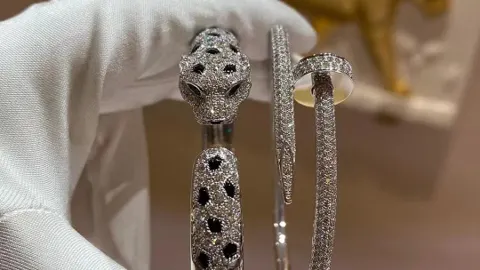
At the other end of the spectrum are the luxury pawnbrokers, often based in prime districts of London and other major cities, or operating largely online with private appointments. They lend against high-value items such as prestige watches, signed and important jewellery, designer handbags and, in some cases, fine art, classic cars or other collectables. Loans can run to substantial sums, and the emphasis is on expertise, discretion and service.
Their clients include business owners, property investors, collectors and others who are asset-rich but need liquidity quickly. For this group, a pawn loan can be faster and more private than arranging bank finance. Luxury specialists compete on the quality of their valuations, the speed of decisions, the standard of their storage and the tone of their client relationships, as much as on price. Many clients return repeatedly, using the service as a flexible source of short-term funds.
Regulation that binds the whole market
Whatever their size, UK pawnbrokers operate within the framework of consumer credit law. Pawn loans are regulated under the Consumer Credit Act 1974, and lenders must be authorised by the Financial Conduct Authority, which took over responsibility for consumer credit in April 2014. That authorisation brings expectations about how customers are treated, how charges are explained and how complaints are handled. The rules apply equally to a small independent shop and a large specialist lender.
Borrowers benefit from a redemption period of at least six months and the right to redeem at any time before the pledge is sold. For pledges above a statutory threshold, lenders must give notice before sale and account for any surplus. Anti-money laundering rules add further obligations, particularly for high-value transactions. The result is a market that, despite its variety, shares a common set of protections. Borrowers who understand these rights are better placed to use them if needed.
The role of the trade body
The National Pawnbrokers Association is the UK trade body for the sector. It represents members’ interests, engages with regulators and government, and promotes standards of good practice within the industry. Membership signals that a business has chosen to associate itself with those standards, although it is not the same as regulatory authorisation, which only the FCA can grant. The FCA’s online register allows anyone to check a firm’s authorisation status in minutes.
Trade bodies also play a role in shaping public understanding. Pawnbroking has sometimes been confused with other forms of short-term credit, and industry representatives have worked to explain how a secured pledge differs from unsecured lending. For customers, checking whether a lender is FCA authorised is the first essential step; membership of the trade association may offer additional reassurance about its approach. That work continues as public attitudes to credit evolve.
Forces shaping the market today
Several trends continue to reshape the sector. Online valuations and insured courier services have allowed specialists to reach clients far beyond their own premises. The growing secondary market for luxury goods has made watches and handbags more acceptable as collateral. Economic uncertainty and changes in bank lending have sustained demand, while gold price movements continue to influence the high-street tier in particular. Newer entrants, particularly online, have added competition to established businesses.
For consumers, this variety is broadly positive, since it means more choice and more competition. It also means taking care to compare lenders, read credit agreements carefully and understand exactly what is being offered. Owners who would rather sell than borrow can explore alternatives such as a private valuation from EncoreLuxe. The market may be small, but it is far more diverse than its old image suggests. Knowing where a lender sits within that landscape is a useful first step.