
pawnbroking guide
Bridging a Gap: Short-Term Liquidity From Luxury Assets
How a watch, handbag or jewel can bridge a temporary cash gap, when it makes sense, and how to plan the exit before you borrow against it.
The anatomy of a temporary gap
Most money problems that bring people to a luxury pawnbroker share a particular shape. There is a known sum needed now and a known sum arriving later, with a stretch of weeks or months in between. A completion date slips, a bonus is paid in the spring rather than at Christmas, a tax bill lands before a dividend can be declared, or a school fee falls due just ahead of an expected receipt. The wealth exists; it is simply in the wrong place at the wrong time.
Finance professionals call this a liquidity problem rather than a solvency problem, and the distinction is useful. A solvency problem means there is not enough money overall, and borrowing merely postpones the reckoning. A liquidity problem means the money will come, and the task is to span the interval as cheaply and simply as possible. Luxury pawnbroking is best suited to the second kind, where the far side of the bridge can be seen clearly.
Why objects make useful bridges
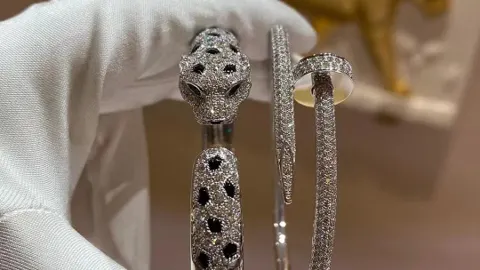
Certain luxury goods have an unusual quality: they hold a recognisable resale value, they are portable, and specialist buyers exist for them across the world. A steel sports watch from a leading Swiss maker, a signed diamond bracelet or a sought-after handbag in good condition can be valued fairly quickly by an expert, which is exactly what a lender needs to make a decision within hours rather than weeks. A consistent, well-documented model gives the valuer something firm to anchor a figure to.
By contrast, assets such as property or shares in a private company are valuable but slow to turn into cash, and borrowing against them usually involves solicitors, surveys and long approval processes. The watch in the drawer can often do the job faster. That speed, combined with the fact that no credit history assessment is central to the decision, is why pledges have been used to span short gaps for centuries, long before modern bridging finance was invented.
Sizing the loan to the gap
The golden rule of bridging with a pledge is to borrow what the gap requires, not what the object will support. Lenders offer a proportion of the value they could realistically achieve on resale, and it can be tempting to take the maximum. Yet every extra pound borrowed accrues interest, and a larger loan is harder to clear when the expected receipt arrives, particularly if that receipt turns out smaller than hoped.
Timing deserves the same discipline. UK pawn agreements run for a minimum redemption period of six months, and borrowers can redeem at any point before the pledge is sold, often paying interest only for the time the money was actually used. That flexibility is valuable, but it should not encourage vagueness. A borrower who writes down the date the money is expected, and the amount needed to redeem by then, turns a loose intention into a plan.
Planning the exit before you enter
Seasoned borrowers think about repayment first. They identify the specific source of funds that will redeem the pledge, consider what happens if it is delayed, and decide in advance whether they would extend the loan, part-pay it or, in the worst case, accept the loss of the item. Having that conversation with oneself beforehand removes much of the stress that can build as the end of a term approaches. It also makes an early conversation with the lender far easier if something does go awry.
It is also sensible to know what options the lender offers if plans change. Many pawnbrokers allow an agreement to be renewed or extended by paying the interest accrued, and some accept partial repayments. These arrangements have their own costs, and each can create a new agreement with fresh terms, so they should be treated as contingencies rather than defaults. The credit agreement will set out the charges clearly and deserves a careful read.
Comparing the bridge with other crossings
A pledge is rarely the only way across. Depending on circumstances, an authorised overdraft, a credit card with an introductory offer, a short-term loan from family, an advance from an employer or a conversation with the body that issued the bill might all be cheaper or more convenient. HM Revenue and Customs, for example, can sometimes agree time to pay on tax liabilities, which may remove the need to borrow at all.
The pawn loan’s advantages are speed, privacy and the fact that failure to repay generally costs the pledged item rather than pursuing the borrower for a shortfall. Its disadvantages are typically a higher interest rate than mainstream secured credit and a loan that represents only part of the item’s worth. Comparing the total cost of each option over the realistic borrowing period is the only reliable way to decide. Headline monthly rates alone can mislead, so the figure that matters is the total payable.
When the gap turns out to be permanent
Occasionally, the honest analysis reveals that the expected receipt is uncertain or that the need will recur month after month. In those cases a pledge may simply delay a decision, and it can be wiser to address the underlying position directly, perhaps with the help of a free debt advice service if the pressure is serious. Borrowing to meet ordinary living costs repeatedly is a warning sign rather than a bridging strategy.
Where the asset itself is no longer loved or worn, converting it to capital outright may release more money than a loan and remove interest entirely. Owners exploring that route can obtain a private valuation from EncoreLuxe to understand what a piece might realise. Either way, the principle holds: luxury assets can be excellent bridges, but only when both banks of the river are in view. Before borrowing, it is worth checking that the far bank really is where you believe it to be.