
pawnbroking guide
Pawning an Hermès Birkin: How a Handbag Became Bankable
How the Hermès Birkin became a handbag lenders will accept as collateral, what they check, and how size, leather and hardware shape a Birkin pawn loan.
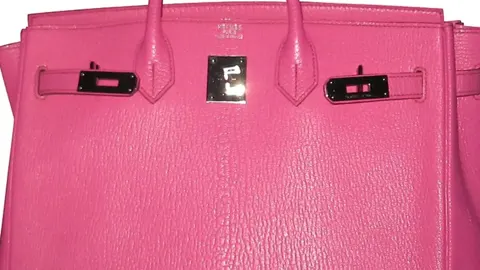
From an airline conversation to a lendable asset
The Birkin’s origin story is one of the most repeated in fashion. In the early 1980s the actress Jane Birkin found herself seated beside Jean-Louis Dumas, then head of Hermès, on a flight, and complained that no handbag was practical enough for her life. The bag that followed, launched in 1984, was roomy, structured and built by a single craftsperson using saddle-stitching techniques the house had refined over generations of harness-making. Nobody at the time imagined it as a financial instrument. It was a working bag for a busy woman who carried too much.
Four decades later the Birkin occupies a strange position: an object of daily use that behaves, in the secondary market, rather like a scarce commodity. That transformation is what makes it bankable. A pawnbroker does not lend against desirability in the abstract; it lends against the confidence that, if a loan is not repaid, the pledge can be sold quickly for a predictable sum. Few handbags have ever met that test consistently. The Birkin was among the first to do so, and it remains the benchmark against which lenders judge every other bag.
Why scarcity makes lenders comfortable
Hermès has long controlled supply with unusual discipline. New Birkins are not simply placed on shelves for anyone to buy; boutiques allocate them, often to clients with an established purchase history, and the house does not publish production numbers. The result is persistent demand that retail cannot satisfy, which spills into the resale market. For a lender, that overflow is the crucial point. A bag that people are queueing to buy second-hand is a bag that can be realised without deep discounting if the borrower walks away.
Scarcity also dampens volatility. Many fashion items lose most of their value the moment they leave the boutique, and their resale prices swing with trends. The core Birkin configurations have tended to hold their appeal across economic cycles, which lets a lender offer a loan with some confidence about what the bag will be worth six months on. That is not a guarantee, and sensible lenders build in a margin for price falls, but it explains why a leather bag can sit alongside a steel sports watch in a high-end pawnbroker’s vault.
Size, leather and colour: the variables that move the loan
Not every Birkin is valued equally. Size matters first: the 25 and 30 are widely regarded as the most liquid in today’s market, while the larger 35 and 40, once the everyday standards, can be slower to sell depending on fashion. Leather comes next. Hard-wearing grained calfskins such as Togo and Epsom are staples, smoother leathers such as Box calf carry a devoted following but show wear readily, and exotic skins sit in a separate tier with their own regulatory considerations.
Colour and hardware complete the picture. Neutral tones such as black, gold and étoupe tend to find buyers easily, while some seasonal shades attract collectors and others simply age. Gold, palladium and rarer hardware finishes each have their admirers. A specialist lender will weigh the full specification against recent comparable sales rather than a headline price, because two Birkins that look similar across a room may be separated by a significant difference in resale value once size, skin, colour and hardware are taken into account.
What happens at the valuation appointment
A Birkin valuation is slow and tactile. The specialist will examine the stitching, which should be even, slightly angled and waxed; the heat-stamped logo and its alignment; the blind stamp that indicates the year of production and, alongside it, a craftsperson’s mark; and the weight and finish of the hardware, including the lock, keys and clochette. Hermès does not issue certificates of authenticity, so a receipt from the boutique is helpful context but never a substitute for close inspection of the object itself.
Condition is assessed with equal care. The lender will look at the corners, where friction shows first, the handles, which darken with use, the interior for marks and odours, and the shape of the bag, which should stand without slumping. Original accessories, including the dust bag, raincoat, box and padlock set, add confidence and can improve the offer. The borrower will usually be asked for identification and proof of address, as with any regulated pawn agreement, before a figure is proposed and the terms are explained.
How the loan itself is structured
Once the valuation is settled, a Birkin pawn loan follows the same legal framework as any other pledge in the UK. The agreement is regulated consumer credit under the Consumer Credit Act 1974, the lender must be authorised by the Financial Conduct Authority, and the borrower has a redemption period of at least six months. The loan is typically a fraction of the bag’s likely resale value, leaving the lender room to absorb selling costs, interest owed and any softening in the market.
The bag is then stored securely until the borrower repays the loan and charges and collects it. If the loan is not repaid, the pledge can eventually be sold, and for higher-value items the lender must give notice before sale and account for any surplus afterwards. Borrowers should read the agreement closely, understand how interest accrues and what happens at the end of the term, and compare offers from more than one lender. The Birkin’s reputation does not change the fundamentals of borrowing responsibly.
The bag as collateral, and the question of letting go
Pawning a Birkin has a particular appeal for owners who value the bag but need liquidity for a short period. The loan is secured solely on the item, there is no ongoing obligation beyond the pledge itself, and the bag returns to its owner in the same condition when the loan is repaid. For someone waiting on a property completion, a business payment or an inheritance, that temporary arrangement can be neater than parting with a piece that took years to acquire.
Yet the Birkin also invites a more honest question: is borrowing against it the right move, or has its time in the wardrobe passed? Owners who suspect they will not redeem it may be better served by selling outright and keeping the full value rather than paying interest first. Those weighing that choice can obtain a private valuation from EncoreLuxe, which buys designer bags directly. Either way, understanding what makes a Birkin bankable is the best starting point for any decision about it.