
pawnbroking guide
Condition Grading: How Wear Affects a Handbag Loan
How lenders grade the condition of designer handbags, which kinds of wear matter most, and why corners, handles and odours can change a pawn loan offer.
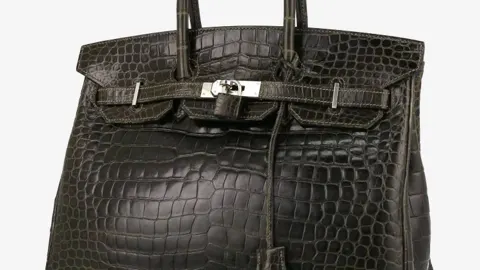
The vocabulary of wear
The pre-owned handbag trade has developed its own language for condition. Terms such as unworn, pristine, excellent, very good, good and fair appear across dealers and auction houses, sometimes supplemented by letter or number grades. There is no single industry standard, and one seller’s excellent may be another’s very good. For a borrower, the important thing is not the label itself but what lies behind it: a lender’s judgement about how the bag’s wear will affect what a buyer is willing to pay.
That judgement translates directly into the size of a pawn loan. A lender advances a proportion of the bag’s realistic resale value, and condition is one of the biggest variables in that value. Two bags of the same model, size and colour can be separated by a substantial margin simply because one has been carried carefully and stored well while the other has seen daily use. Understanding how graders think helps owners set sensible expectations before they arrive.
Corners, handles and edges
Corners are usually the first place a grader looks. They meet the ground, brush against furniture and rub against clothing, and scuffing or colour loss there is the most common sign of use. Light rubbing on a working bag is expected and may not trouble a lender much; worn-through corners exposing the underlying material are a different matter. Base studs, where present, are designed to protect the bottom and their condition offers clues about how the bag has been treated.
Handles tell their own story. Leather handles darken with hand oils, and on untreated vachetta leather, as used on many Louis Vuitton pieces, that patina is natural and some buyers value an even honey tone. Uneven darkening, cracking or water marks are viewed less kindly. Edge paint along handles and straps can crack or peel, and while it can be professionally redone, the need for such work reduces value. A grader will note all of this before considering the body of the bag.
Shape, structure and surface
A structured bag should hold its shape. Slumping sides, a warped flap or a base that has bowed under weight suggest the bag has been overfilled or stored badly, and such distortion can be difficult or impossible to correct. Soft bags are judged differently, but even there, creasing and stretching affect appearance. Graders look at the bag from several angles, empty and upright, to see whether it stands as it was designed to.
The surface of the leather or canvas is then examined in detail. Scratches, particularly on smooth leathers, are common and vary in severity. Colour transfer from denim is a frequent problem with pale bags. Water spots, fading from sunlight and discolouration from hand creams all register. Coated canvas is durable but can crack at stress points with age. Each defect is weighed not just for its visibility but for whether a buyer would accept it or expect a significant discount in return.
Hardware and interiors
Hardware wear can be surprisingly costly. Scratches on a lock or clasp are expected over time, but plating that has worn through to base metal changes the appearance considerably. Some houses offer replating or replacement of hardware, but that adds cost and, if done outside official channels, can raise questions about originality. Zips should run smoothly, clasps should close firmly and locks should work with their original keys. A missing padlock or key can reduce value in its own right.
Interiors are often overlooked by owners but never by graders. Pen marks, makeup stains, sticky residues and tears in the lining all reduce appeal. Odours are especially problematic: cigarette smoke, strong perfume and mustiness from damp storage can linger in leather and fabric for a long time and deter buyers. A clean, dry, neutral-smelling interior reassures a lender that the bag has been looked after and that it will not need specialist treatment before resale.
Restoration: help or hindrance?
Restoration occupies a grey area in handbag grading. Professional cleaning and conditioning can genuinely improve a bag’s presentation, and many owners use specialist services before selling or pledging. But heavier interventions such as recolouring, re-edging or replacing parts can alter a bag in ways that some buyers dislike, particularly collectors of rare models who prize originality. Work carried out by the brand’s own repair service is usually viewed more favourably than third-party alterations.
The key principle is disclosure. A lender that discovers undisclosed restoration may question what else it has not been told, which can affect not only the offer but also its willingness to lend at all. Owners who have had work done should say so and bring any paperwork. Those considering restoration before a loan should weigh the cost against the likely improvement in value, and ask the lender for its view first, since a modest improvement may not justify a significant bill.
Presenting a bag for a fair assessment
Simple preparation can make a visible difference. Emptying the bag completely, brushing out the interior, gently wiping the exterior with a suitable dry cloth and airing it away from direct sunlight will allow the lender to see its true condition. Stuffing the bag lightly with acid-free tissue for a few days before the appointment can help it regain some shape. Harsh cleaning products should be avoided, as they can damage finishes and create new problems.
Bringing accessories, including the dust bag, box, strap, lock and keys, rounds out the picture. Beyond that, honesty and realistic expectations serve borrowers best. A pawn loan is a regulated agreement under the Consumer Credit Act 1974, and its terms deserve careful reading regardless of the sum offered. Comparing offers from more than one lender is sensible, since graders differ in how harshly they treat particular kinds of wear. Either way, understanding condition grading helps turn a subjective conversation into an informed one.