
pawnbroking guide
Inherited Valuables: Pawning, Selling or Keeping an Estate Piece
How to weigh keeping, pawning or selling an inherited watch or jewel, from probate and ownership to sentiment, insurance and the practicalities.
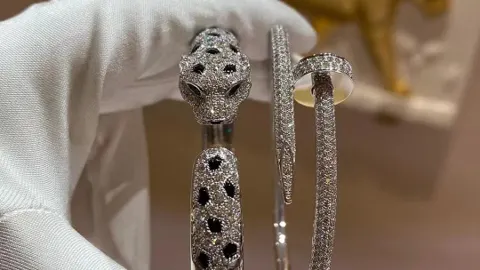
Objects that arrive with stories attached
Inherited valuables rarely come as neutral assets. A grandmother’s sapphire ring, a father’s gold watch or an aunt’s pearl necklace carries memories as well as monetary value, and the question of what to do with it can feel oddly weighty. Some heirs know instantly that they will treasure a piece for life; others find themselves with a drawer of jewellery they will never wear and a vague sense of guilt about even thinking of letting it go.
There are broadly three paths: keep the item, borrow against it, or sell it. Each can be the right answer, and many families end up using more than one for different pieces. The sensible starting point is not to rush. Decisions made in the raw weeks after a bereavement are sometimes regretted, and very few estate pieces lose meaningful value by waiting a few months while the practicalities are settled. Grief rarely makes for good financial judgement.
First, establish that it is yours to decide
Before any decision, it is important to be clear that the item has actually passed to you. While an estate is being administered, assets are generally under the control of the executors or administrators, and valuables may need to be valued for probate and for any inheritance tax calculation. Pledging or selling an item before it has been properly transferred can cause complications, and a lender or buyer may ask for evidence of ownership.
Once the piece is formally yours, keep any documents that show how it came to you, such as a copy of the relevant part of the will or a letter from the executor. Reputable pawnbrokers and buyers must carry out identity and anti-money laundering checks and may ask about provenance, especially for high-value items. Having the paperwork ready turns a potentially awkward question into a simple formality and reassures everyone involved. It can also help when insuring the item later.
Understanding what you have inherited
Many families have only a hazy idea of what their heirlooms are worth. A ring always described as “the diamond” might be a fine old-cut stone of real quality or a modest piece with mostly sentimental value. A watch tucked in a drawer could be a sought-after vintage reference. A professional valuation brings clarity, and it is worth knowing the difference between an insurance valuation, which reflects replacement cost, and the lower figure a piece might realise if sold.
Look for maker’s signatures, hallmarks and original boxes, which can all affect value considerably. A jewel signed by one of the great houses, or an early watch with original dial and papers, may attract strong interest from specialist buyers. Unsigned antique pieces can also be highly desirable, particularly where craftsmanship and period character are evident. Knowing all this makes every subsequent decision, whether to keep, borrow or sell, far better informed. It may also resolve family questions.
The case for keeping
Keeping a piece is the obvious choice when it holds deep meaning or will be worn and enjoyed. Heirlooms passed down through generations acquire a significance that no sale price captures, and many people find that wearing a parent’s watch or a grandmother’s brooch keeps a connection alive. Pieces can also be adapted: an old ring can be reset, a pendant restrung, a watch strap replaced, making them suitable for everyday life without losing their essence.
Keeping does bring responsibilities. Valuable items should be insured, ideally on a specified basis with an up-to-date valuation, and stored securely when not in use. Watches may need servicing to run reliably, and pearls benefit from periodic restringing. It is worth budgeting for these costs honestly, since an heirloom that sits uninsured in a drawer is exposed to risks that could be avoided with a little care. A simple photographic record of each piece is also invaluable should anything ever be lost.
When pawning an estate piece makes sense
Borrowing against an inherited item can be useful in specific situations. An heir might need funds to cover estate-related costs while waiting for other assets, such as property, to be sold. Or they may face a short-term personal need but be unwilling to part permanently with something irreplaceable. A pledge allows them to raise money while retaining the right to redeem, with a redemption period of at least six months and the ability to repay at any time before sale.
The risks, however, are sharper with sentimental items. If repayment falters, the piece could eventually be sold, and that loss may feel far greater than its monetary value. Anyone considering this should read the credit agreement closely, understand the full cost, and have a realistic plan to repay. For an item that genuinely cannot be replaced, a pledge should be approached with particular caution and a generous margin for error. Talking to other family members first can avoid misunderstandings.
When selling is the kindest option
Sometimes selling is the most practical and even the most respectful choice. A piece locked away unworn benefits no one, and releasing its value might fund something the original owner would have championed, from a child’s education to a home. Families sometimes sell several items while keeping one special piece each, which preserves memory without creating a burden. Selling can also simplify matters when heirs would otherwise have to divide a single valuable object.
If you are considering a sale, obtaining more than one opinion is sensible. EncoreLuxe offers private valuations for owners who would rather sell than borrow, and it can explain how factors such as signature, condition and documentation affect value. Whatever path you choose, give yourself time, seek clarity about ownership and value first, and let the decision reflect both the finances and the story the piece carries. There is no single right answer, only the one that suits you.