
pawnbroking guide
Where Unredeemed Pledges Go: Auctions, Retail and the Trade
What happens to pledges that are never collected: the legal steps before sale, and how pawnbrokers use auctions, retail counters and the trade.
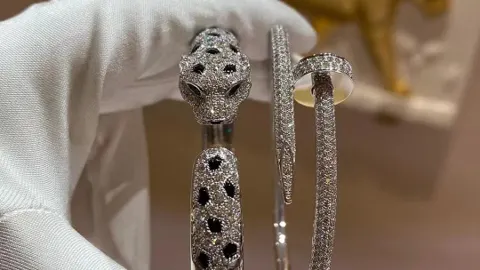
The end of the road for a pledge
Most pawn loans end quietly, with the borrower repaying and walking out with their watch or ring. A minority do not. Sometimes circumstances change, sometimes the owner decides the item is no longer worth reclaiming, and occasionally the borrower simply loses touch. Whatever the reason, an unredeemed pledge eventually has to be dealt with, and the route it takes says a good deal about how the pawnbroking trade actually works.
Far from vanishing into a mysterious back room, forfeited goods re-enter the wider market through a handful of well-established channels. Auction houses, the pawnbroker’s own retail counter and the specialist dealer trade all play a part, and many items pass through more than one before finding a new owner. Before any of that happens, however, the law sets out careful steps that protect the original borrower. Those steps are worth understanding in detail, because they determine what the borrower can still do.
What the law requires before a sale
In the UK, pawnbroking is regulated under the Consumer Credit Act 1974, and borrowers are given a redemption period of at least six months. Throughout that time, and afterwards until the pledge is actually sold, the borrower can repay what is owed and reclaim the item. A pledge does not become the lender’s property simply because a date has passed; the right to redeem continues until sale. Many lenders will also contact customers as the end of the term approaches.
For pledges above a statutory value threshold, the pawnbroker must send notice of its intention to sell before doing so, and after the sale it must provide an account showing the price achieved and the deductions made. Any surplus above the debt and reasonable costs belongs to the borrower. The lender is also expected to obtain a fair price, which influences how it chooses to sell. A poorly chosen sale route can shortchange the borrower, and a careful lender will want to avoid that.
The auction room
Auction has long been the traditional destination for unredeemed pledges, and in earlier centuries pawnbrokers’ sales were a familiar feature of city life. Today, many lenders consign forfeited goods to auction houses, from regional general salerooms to specialist sales of watches, jewellery or handbags. Auction offers transparency, since the item is exposed to competing bidders and the result is documented, which helps demonstrate that a fair price was sought. That record can matter if a borrower later questions the outcome.
The choice of saleroom matters enormously. A rare watch placed in a specialist sale with an international following may perform very differently from the same piece offered in a general sale of household effects. Auction also takes time and carries commission, so it suits items where competitive bidding is likely to add value. For ordinary gold and commonplace pieces, it may not be the most efficient route. Selecting the right sale for each item is itself a matter of expertise.
The pawnbroker’s own counter
Many pawnbrokers also sell directly to the public, whether from a shop window, a showroom or an online store. Pre-owned watches, jewellery and designer bags can be cleaned, checked and presented for resale, sometimes with a guarantee of authenticity. This route allows the lender to capture a retail price rather than a trade one, but it ties up capital while the item waits for the right buyer. Items may sit in a display cabinet for weeks or months before selling.
Selling retail brings its own obligations. The pawnbroker must describe goods accurately, stand behind its authentication and comply with consumer law as a seller. For luxury lenders with an established clientele, however, a well-curated retail offering can be a natural extension of the business, and many customers value the chance to buy authenticated pre-owned pieces from a firm that has examined them closely. In that sense, the retail counter turns the lender’s valuation skills into a second source of confidence for buyers.
The trade and the refiner
A third channel is the trade itself: dealers, wholesalers and specialists who buy stock to resell. A pawnbroker with a steel sports watch might sell it quickly to a watch dealer; a vintage brooch might go to an antique jewellery specialist; a designer bag to a resale business. Trade sales are fast and certain, though usually at a lower price than retail, because the buyer needs a margin too. For a lender wanting to recover capital quickly, that certainty can be worth the discount.
For plain gold items with little design value, the final destination may be the refiner. Broken chains, worn wedding bands and damaged pieces are sold by weight, melted and returned to the supply of metal. Precious stones may be removed and sold separately. It is an unglamorous end, but it reflects gold’s enduring role in the business: whatever happens to fashion, the metal keeps its value. Refining is usually a last resort for anything with genuine design merit.
What borrowers should take from this
For anyone with a pledge approaching the end of its term, the practical lesson is to act early. Speak to the lender before the redemption period expires, ask about paying the interest or part of the loan to extend it, and keep your contact details up to date so that any notices reach you. Once an item has been sold, it cannot be recovered, even though you may be entitled to a surplus.
If you realise you are unlikely to redeem a piece, it may be better to plan its sale on your own terms than to let it go by default. Repaying the loan and selling the item yourself can sometimes achieve a better outcome, and EncoreLuxe offers private valuations for owners exploring that option. Read your agreement closely and compare the routes available before any deadline arrives. A short conversation with the lender now may save a great deal of regret later.