
pawnbroking guide
Pawn or Sell? Deciding What to Do With a Luxury Asset
Borrow against a luxury watch, bag or jewel, or sell it outright? A calm framework for weighing cost, timing, attachment and risk before you decide.
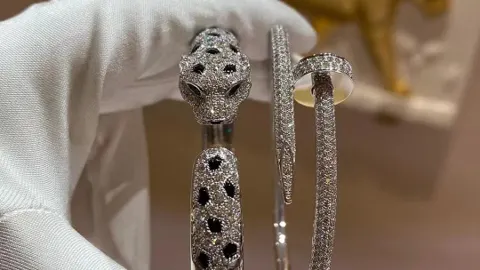
Two ways of turning an object into money
A fine watch, a signed bracelet or a sought-after handbag is, among other things, a store of value. When cash is needed, there are two classic ways to release it. Pawning keeps ownership and borrows against the object for a period, with the item held as security. Selling transfers ownership permanently in exchange for a price. Both are legitimate, and neither is inherently better. The right choice depends on what the money is for, how soon it can be replaced and how much the object itself matters.
It helps to set aside the embarrassment that sometimes attaches to either option. Collectors sell to refine collections; business owners borrow against assets to smooth cash flow; families decide what to do with inherited pieces. What matters is making the decision deliberately, with the numbers and the likely outcomes in view, rather than drifting into one route because it seems quicker or less final on the day. A little structure turns an anxious choice into a manageable one.
Start with the nature of the need
The most useful question is whether the need for money is temporary or permanent. A temporary gap, such as a delayed payment, a tax bill due before a bonus arrives or a deposit needed before a property sale completes, suits borrowing, because there is a clear source of repayment and a realistic date. The item can come home once the money arrives, and the cost of borrowing buys continuity of ownership. The shorter and more certain the gap, the stronger the case for a loan.
A permanent need is different. If there is no identifiable source of repayment, a pawn loan may simply postpone a sale while adding interest. Many unredeemed pledges begin as optimistic loans that were never likely to be repaid. In that situation, selling outright may leave the owner with more money and fewer obligations. Being honest about which kind of need is involved, even when the answer is uncomfortable, is the foundation of a good decision.
Comparing the arithmetic
The financial comparison has two sides. Borrowing costs interest and any fees over the period of the loan, and the advance is usually a fraction of the item’s resale value because the lender builds in a safety margin. Selling produces a larger lump sum in most cases, but it is final, and a buyer’s price for immediate purchase will naturally sit below retail. Neither figure alone tells the story; they must be set against the owner’s plans.
A simple exercise helps. Estimate the total cost of borrowing for the period you realistically expect, not the period you hope for. Then estimate what you would have to pay to buy a comparable item again later, if you sold now and wanted one in future. If the cost of borrowing is modest and the item would be hard to replace, borrowing may make sense. If replacement is easy, or unlikely to be wanted, selling may be cleaner.
The weight of attachment
Some objects carry more than their market value. An engagement ring, a watch bought to mark a milestone, a brooch inherited from a grandmother: these are not easily reduced to a price. For such pieces, pawning can be attractive precisely because it preserves the possibility of keeping them. The loan becomes a way of protecting something meaningful during a difficult stretch, rather than surrendering it, and the peace of mind that brings can be worth a good deal to the owner.
But attachment cuts both ways. If a cherished item is pledged and cannot be redeemed, it may be sold under the terms of the agreement, which can feel far worse than a considered sale would have. Anyone pledging a sentimental piece should be particularly confident about repayment. Conversely, some owners find that an item they rarely wear or use has become a responsibility rather than a pleasure, and selling it brings unexpected relief.
Timing, markets and the temptation to predict
Owners sometimes borrow rather than sell because they believe prices will rise, or sell rather than borrow because they fear a fall. Luxury markets do move, as recent swings in certain watch and handbag prices have shown, but they are difficult to predict, and interest is a certain cost set against an uncertain gain. Treating a pawn loan as a bet on future prices is a riskier strategy than it might appear.
A better approach is to decide on the basis of the need and the object, and to treat market movements as a secondary consideration. If you would be content to own the item regardless of its price next year, borrowing may suit. If its main appeal is financial, a sale at a fair current price removes the uncertainty. There are also middle paths, such as selling one piece from a collection to avoid borrowing against several.
Gathering information before committing
Whichever way you lean, information is inexpensive. For a loan, read the agreement and pre-contract information carefully, note the APR, total amount payable and terms around extension and sale, and compare more than one lender. For a sale, obtain more than one valuation and understand whether the figure is a firm offer or an estimate. Ask each party to explain how they reached their number, and be wary of any offer, loan or sale, that comes with pressure to decide on the spot.
It is also worth considering the wider picture. The treatment of high-value personal possessions for tax purposes can be relevant when selling, and anyone with complex circumstances may wish to take independent professional advice. For owners who conclude that selling suits them better than borrowing, EncoreLuxe offers private valuations and buys designer bags, watches, jewellery and fashion outright, which provides a clear point of comparison alongside any loan offer. Whichever route is chosen, the aim is the same: a decision you will still be comfortable with in a year.