
pawnbroking guide
How Lenders Store Handbags Without Damaging Them
How specialist lenders protect pledged handbags from crushing, damp, light and colour transfer, and what borrowers should ask about storage and insurance.
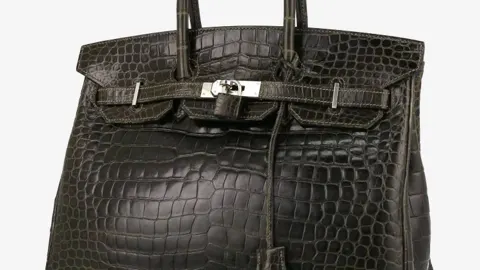
A different problem from a diamond
Traditional pawnbrokers built their vaults around small, hard objects. Gold rings, watches and silver can be bagged, labelled and placed in a safe with little risk of deterioration over six months. Handbags present a very different challenge. They are bulky, they are made of organic materials that respond to their environment, and they can be damaged by the very act of storage if it is done carelessly. A bag returned creased, faded or smelling of damp has lost value, and the borrower will rightly ask why.
Lenders who specialise in designer goods have therefore had to think carefully about how they keep bags during the term of a loan. The goal is simple to state: to return each bag in exactly the condition it arrived. Achieving it requires attention to space, climate, light, handling and documentation. The best practice in this area draws as much from museum conservation and archive management as from the traditional pawnbroker’s strongroom.
Recording condition on the way in
Good storage begins before a bag enters the vault. A careful lender will photograph the bag from every side, including the base, interior, hardware and any existing marks, and record its condition in writing on the pledge record. Accessories such as straps, locks, keys, dust bags and boxes are listed individually. This creates a shared reference point, protecting the borrower against damage during storage and protecting the lender against disputes about the bag’s condition when it was handed over.
Borrowers should welcome this process and take an interest in it. Checking that the description is accurate, that existing wear has been noted and that every accessory is listed takes only a few minutes. It is also sensible to keep one’s own photographs taken on the day. If a question arises at collection, clear records on both sides usually resolve it quickly, and a lender that documents thoroughly is signalling that it takes its custodial duty seriously.
Shape, space and support
The most common storage damage is distortion. A structured bag stacked under others, or squeezed into a crowded shelf, can lose its shape in a matter of weeks. Specialists store bags upright and separately, never piled, with enough space around each to avoid pressure. Interiors are lightly filled with acid-free tissue or purpose-made pillows to support the sides without stretching them. Handles are kept upright or supported so they do not crease, and chains are wrapped to prevent them marking leather.
Dust bags play an important role, allowing leather to breathe while keeping dust off. Plastic is generally avoided for long-term storage, because it can trap moisture and encourage mould or discolouration. Where a bag has its original box, a lender may use it, though some prefer breathable storage that allows air circulation. The aim throughout is to mimic how a careful collector would keep a treasured bag at home, but with more consistency and better security.
Climate, light and the enemies of leather
Leather is a natural material that expands, contracts and reacts to its environment. Too much humidity encourages mould and can cause colour to bloom; too little dries leather out and can lead to cracking, particularly in exotic skins. Rapid swings in temperature are harmful too. Specialist lenders therefore store bags in controlled conditions, with stable temperature and moderate humidity, and monitor those conditions rather than assuming a basement or back room will do.
Light is another quiet enemy. Sunlight and some artificial light can fade colours unevenly over time, so bags are kept in darkness or low light. Colour transfer is a further risk: a pale bag stored against a dark one can pick up dye, and vinyl or coated surfaces can stick to one another. Bags are kept apart, and particularly delicate items may be wrapped individually. None of this is exotic technology, but it requires discipline and space that not every lender has.
Security, handling and insurance
Handbags must, of course, be kept as securely as any other valuable pledge. Access to storage areas is restricted, pledges are tracked against their records, and handling is kept to a minimum. When bags are handled, staff typically wear clean gloves and take care with hardware that can scratch neighbouring items. Every movement in or out of storage should be logged, so the lender can account for each bag at any point during the loan.
Insurance is the final safeguard. Reputable lenders insure pledges while they are in their custody, and a borrower is entitled to ask how that cover works, what value it is based on and what happens in the unlikely event of loss or damage. The answer should be clear and consistent with the pledge agreement. Borrowers should read the relevant terms and not assume that their own household policy will cover a bag while it is in a lender’s possession.
Questions worth asking before you hand over a bag
A borrower handing over a cherished bag is entitled to ask how it will be looked after. Sensible questions include where the bag will be kept, whether storage is climate-controlled, how bags are separated and supported, and whether condition photographs will be taken and shared. It is also worth asking how the bag will be returned at collection and whether the borrower can inspect it in good light before signing for it.
A good lender will answer these questions readily and in detail, and some will be proud to explain their arrangements. Vague or dismissive answers are a signal to look elsewhere, however attractive the offer. The loan itself should be judged on its terms, set out in a regulated agreement under the Consumer Credit Act 1974, but storage is part of the value a borrower receives. A fair interest rate means little if the bag comes back diminished, which is why custodial care deserves as much attention as the headline offer.