
History guide
Chanel Kelly Flap History and Main Versions
Chanel has not published a Kelly Flap history; design details, materials and hardware can still help place many of its bags. Materials and hardware can help place a Chanel bag without assuming a fixed sequence of Kelly generations.
Get my free valuation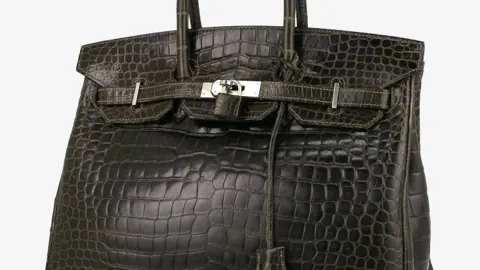
Origins in the 1950s
Which version of the Chanel Kelly Flap do you own? Construction, hardware and proportions may suggest a period, but they do not show a Kelly Flap evolving across decades.
Gabrielle Chanel returned to fashion in 1954, and the handbag of that comeback era is the 2.55 of 1955, not an official Kelly Flap. The structured trapezoid is closely associated with Hermès, which named its Kelly in 1956, and Chanel has not claimed that model as its own. Chanel’s documented bag of the mid-1950s is the 2.55, introduced in February 1955, not a limited calfskin Kelly Flap. The interlocking CC turn-lock was not used on Chanel’s 1950s bags; it defined the Classic Flap only from the 1980s. The 2.55 fastened with a rectangular turn-lock, often called the Mademoiselle lock, rather than an interlocking CC. Quiet elegance is often associated with the period, but it does not document a distinct Chanel Kelly clientele. A flap, top handle and shoulder strap are common features and do not establish a continuous Chanel Kelly design.
Chanel was still rebuilding in Paris in the mid-1950s, but that does not confirm a small Kelly Flap production line. Kelly is not an official Chanel name; it comes from Hermès and Grace Kelly in 1956 and is only borrowed for similar shapes. Photographs from the period are linked to Chanel’s clothes and the quilted 2.55, not to a verified solid-colour Kelly Flap. Chanel has long favoured supple, well-finished leather, but the skin used for a first Kelly Flap is not recorded. No confirmed first edition of a Chanel Kelly Flap exists against which later bags can reliably be judged.
Evolution Through the 1970s and 1980s
After Gabrielle Chanel’s death in 1971 the house was quieter, and a more visible Kelly Flap in the 1970s is not documented. The interlocking CC turn-lock became a Chanel standard in the 1980s, after Karl Lagerfeld joined in 1983, not during the 1970s. Gold-tone hardware has a long Chanel history, while palladium finishes became more usual in later decades rather than the 1970s. A leather-threaded chain, worn on the shoulder, was already a feature of the 1955 2.55 and was not a 1970s Kelly refinement. Lambskin has long been the classic Chanel flap leather, with grained calf and exotic skins more evident in later collections.
Chanel handbag production broadened in the 1980s under Karl Lagerfeld, though this does not mark a Kelly Flap production phase. Slightly rounded flap corners and reorganised interiors are not a documented 1980s change to a Chanel Kelly. Chanel serial stickers became more consistent from the mid-1980s and can help date many bags, not a Kelly line alone. Serial stickers, the style of any CC lock and the edge stitching can help narrow the period of many Chanel bags. Interest in Chanel handbags grew in the 1980s, but separate demand for a Kelly Flap is not recorded.
Distinguishing the Main Versions
Placing your Chanel Kelly Flap accurately depends on careful observation of several features. A simpler clasp and lighter hardware do not identify an early Chanel Kelly; the CC lock belongs to the later Classic Flap. Interior pockets and stitching can be compared on Chanel bags, but pre-1970s Kelly examples are not a documented group. Flap shapes differ among Chanel styles, but a move towards sharper Kelly corners is not firmly documented.
The CC lock became the dominant closure on Chanel’s Classic Flap in the 1980s, not from the late 1970s. Examine the font and thickness of the Cs as well as the way the lock mechanism engages. Hardware finish, whether gilt, silver or ruthenium, can indicate the intended colourway and era. Leather grain and suppleness also vary; some periods favoured a softer, more pebbled texture while others preferred a smoother polished surface. The presence and style of the serial code, when visible, further refines the dating. Taken together, these details may suggest a broad period, but they do not separate official Kelly generations.
Changes to base width or handle drop are not a documented sequence of later Chanel Kelly versions. Stitching and chain-connector placement can vary, but they are not a published key to Chanel Kelly periods. Comparison with well-documented Chanel examples may suggest a broad date, but it will not usually fix a precise decade.
Comparison With Related Chanel Styles
Structured Chanel bags are sometimes set beside the 2.55, but Kelly Flap is not an official historic counterpart. The 2.55 is a quilted chain-strap flap with a defined, fairly soft shape; it is not a slouchy bag, and it is not an official Chanel Kelly. Some Chanel bags are smooth or lightly stitched, but an unquilted Kelly flap is not an officially defined type.
Chanel flap bags were made in several sizes, but they do not form an official Kelly family. Smaller bags can suit evening wear, but a standard Chanel Kelly size, handle drop and capacity are not documented. Larger Chanel bags can offer more depth, but a less common travel Kelly is not a documented house version. Hardware can vary with size on some Chanel bags, but a scaled CC lock does not confirm a Kelly size range. These differences in proportion affect how the bag sits against the body and which occasions it best suits.
Material choices further distinguish versions. Chanel has used lambskin, calf, patent, suede and occasional exotic skins, without a documented Kelly timetable for each. The choice of metal for the hardware, from warm gold tones to cooler silver or blackened finishes, creates visual contrast that alters the overall character of the same silhouette.
Assessing Condition and Care
Condition assessment of a Chanel Kelly Flap centres on the leather, hardware and structural integrity. Examine the corners and edges where rubbing is most likely to occur; slight softening here is natural over time but excessive wear can alter the intended sharp profile. The flap alignment should remain precise, with the CC lock engaging cleanly without resistance or looseness. Interior lining should show minimal separation from the outer shell and no significant staining.
Hardware deserves close attention. Check for even wear on the gilt or palladium surfaces; consistent patina across the lock, chain and studs suggests careful use. The leather strap or chain should retain its original suppleness without cracking at the folds. Stitching throughout the bag should be uniform and secure. These elements collectively determine how the piece presents and how it will respond to future ownership. Minor signs of use are expected and often add character provided the fundamental structure remains intact.
The bag requires no special preparation before being considered for sale. Send it in its current state, whether it shows natural patina or remains close to original condition. Documentation such as receipts or boxes is welcomed when available but is not required to begin the process.
Photography Guidance for Valuation
Clear, well-lit photographs form the foundation of any accurate valuation. Begin with overall front, back and side views against a plain, neutral background. Capture the bag both open and closed to show interior layout and flap alignment. Include close-ups of the CC turn-lock from multiple angles, highlighting any engravings or wear patterns on the mechanism.
Photograph the hardware in detail: the chain connectors, top handle attachments, feet and any metal studs. Capture the interior pockets, lining material and any visible serial markings or stamps. Include images of the base corners, edge stitching and areas that typically show wear. Natural daylight or soft diffused lighting reveals true colour and texture far better than direct flash. Take several images of each area rather than relying on a single shot. These photographs allow specialists to assess version, materials and condition without delay.
Upload the images directly through the valuation form located beneath the main image on this page. The clearer and more comprehensive the set, the more precise the initial assessment can be.
Selling Your Chanel Kelly Flap to EncoreLuxe
The process of selling your Chanel Kelly Flap through EncoreLuxe is designed for simplicity and transparency. Submit clear photographs using the valuation form on this page. An offer is usually prepared within minutes at any time of day or night, drawing on specialist knowledge of Chanel materials, hardware and construction. Once you accept, send the bag via fully insured courier or arrange for complimentary collection; either option carries no cost to you.
Upon arrival the bag undergoes careful verification of authenticity, version and condition by experienced specialists. This inspection confirms the details shown in your photographs and ensures everything aligns with the agreed terms. If the assessment matches the preliminary offer, payment is made by bank transfer on the same day. Should any unexpected discrepancy arise and you choose not to proceed, the bag is returned to you by the same insured method at no charge. There is never any obligation to accept the final offer and no fee is applied at any stage.
This approach depends on careful identification of the individual Chanel bag and on the practical needs of its owner. Every decision rests on identifying the individual bag as carefully as the photographs and inspection allow.
Your questions answered
How can I tell which decade my Chanel Kelly Flap was made? Examine the style of the CC turn-lock, hardware finish, interior layout and any visible serial markings. A missing CC lock does not indicate an early Kelly version; compare hardware and serials with known Chanel references.
Does the presence of a box or receipt affect the valuation? Any accompanying documentation is welcome but not required. Valuation focuses primarily on the bag’s version, materials, condition and completeness of its original features.
What should I photograph to help identify the version? Include clear images of the CC lock, hardware details, interior pockets, serial markings, stitching, corners and overall silhouette from multiple angles in good lighting.
Is the Chanel Kelly Flap different from the classic flap bag? The Classic Flap and the 2.55 are different Chanel bags, and neither is officially a Kelly; the 2.55 is a quilted chain-strap design with its own turn-lock.
Will signs of gentle wear reduce interest in my bag? Natural patina from careful use is often acceptable and can add character. Excessive structural wear or damage however may influence the assessment.
How quickly can I receive an offer for my Chanel Kelly Flap? Offers are typically prepared within minutes of receiving clear photographs, available 24 hours a day. The entire process from submission to potential payment is designed for speed and clarity.