
craftsmanship guide
How the Louis Vuitton Alma Is Made: Materials, Craft and Finishing
Step inside the workshop to discover how the Louis Vuitton Alma is made: from material selection and shaping to assembly, hand finishing and quality control.
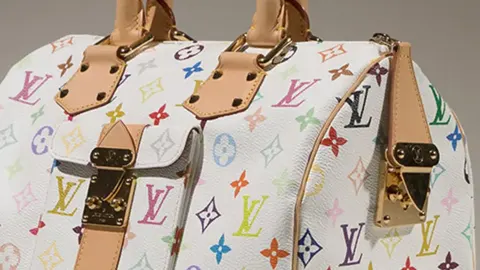
From design brief to workshop sample
The making of the Louis Vuitton piece explored in “How the Louis Vuitton Alma Is Made: Materials, Craft and Finishing” starts long before an artisan touches the final material. A design is translated into dimensions, tolerances and prototypes that test how the object looks, feels and behaves. Curves that appear effortless can require repeated samples: a fraction of a millimetre may alter a clasp, a seam, a setting or the balance on the wrist and hand.
Luxury production is rarely one uninterrupted act by a single maker. It is a sequence of specialised decisions, checks and hand-offs. For this kind of bag, the workshop team may include pattern cutters, leatherworkers, stitchers and hardware finishers. Their work has to meet at the same standard, which is why repeatable preparation matters as much as expressive hand skill.
Choosing materials for beauty and performance
The material story begins with outer material, structure, lining, hardware and thread. Selection is not simply a hunt for the rarest option. Makers consider colour, grain, hardness, weight, flexibility, resistance to wear and how a surface changes over time. Components that touch must also be compatible, otherwise friction, dye transfer, corrosion or uneven ageing can shorten the useful life of the object.
Natural materials carry variation, so cutting and matching become creative acts. Metal and ceramic demand equally careful preparation because machining, casting, stamping and heat treatment leave different traces. A finished luxury object conceals much of this engineering, but its consistency, balance and graceful ageing reveal the quality of those early choices.
Shaping the individual components
Patterns, dies, moulds and precision tools turn the design into parts. Some operations remove material; others fold, draw, stitch, cast or set it. Machines provide repeatability where tolerances are tight, while trained hands read subtle changes in tension, resistance and surface character. The meaningful distinction is not “handmade versus machine-made” but whether each tool is used with judgement.
Components are prepared in an intentional order. Edges may be thinned before folding, stones mapped before setting, and case surfaces protected until final finishing. A mistake at this stage can travel through every later operation. Good workshops therefore inspect between stages rather than relying only on a final quality check.
Assembly: where tolerances become touch
Assembly gives the bag its physical character. Seams must meet without distortion, stones must sit securely, and moving parts must engage with a precise amount of resistance. Makers continually check alignment and symmetry, yet luxury does not mean sterile perfection: tiny variations can record the hand process without compromising function.
The object is also tested in use. A clasp is opened repeatedly, a strap is flexed, a crown is operated or a bag is loaded to understand its balance. These practical checks explain why an authentic piece often feels coherent before the observer has identified any individual detail.
Finishing creates the signature
Finishing controls the way light travels across the object. Here that can mean even stitches, painted edges, aligned panels and smoothly operating hardware. Contrasting textures sharpen a silhouette and make small transitions legible. Because polishing removes material and edge paint adds it, finishers work to tight limits; too much intervention can soften geometry or change fit.
Brand signatures often live in these quiet transitions rather than in a logo. The depth of a bevel, rhythm of stitching, underside of a setting and treatment of a hidden edge tell a more complete workshop story. They are also among the details most likely to show later repair or careless refinishing.
Quality control, longevity and the life after the atelier
Before release, appearance and function are checked against the approved specification. The exact tests differ by category, but may include timing, water resistance, fastening security, stone stability, colour consistency and dimensional inspection. Passing those checks records a moment in time; care, storage and servicing determine how the piece performs later.
Understanding how how the Louis Vuitton Alma is made is made helps an owner read condition with more nuance. Wear at a fold differs from poor construction, and an expert repair differs from indiscriminate restoration. Preserve invoices, service records and replaced parts, and seek a specialist view before aggressive cleaning or polishing. Craftsmanship is best respected by allowing the object to age honestly and intervening only with purpose.