
pawnbroking guide
Inside the Vault: How High-End Pawnbrokers Store and Insure Valuables
Strongrooms, inventory systems, climate control and insurance: how high-end pawnbrokers protect pledged watches, jewellery and bags during a loan.
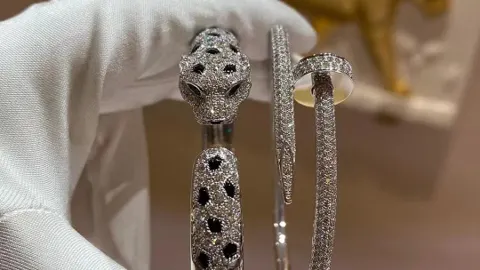
A promise to give it back exactly as it came in
At the heart of every pawn loan sits an unusual promise. The lender takes temporary custody of something precious, sometimes irreplaceable, and undertakes to return it unchanged when the loan is repaid. Unlike a bank, whose collateral might be a house the borrower continues to live in, a pawnbroker physically holds the security. That makes storage and insurance central to the business, not a back-office detail, and it is where the best firms quietly distinguish themselves.
Borrowers rarely see the vault, and discretion means lenders do not advertise its specifics. But the principles are well understood. Items must be protected from theft, from damage and from the slow harm of poor conditions. They must be tracked so that the right piece always returns to the right person. And they must be insured so that, in the rare event something goes wrong, the loss falls on the lender’s policy rather than on the borrower.
Layers of physical security
High-value storage is built in layers. The outer layer is the premises itself: controlled entry, alarms, monitored cameras and procedures governing who may enter and when. Within that sits a strongroom or high-grade safes, typically certified to recognised security standards, since insurers commonly base the cover they will offer on the grade of safe and the quality of the alarm system. The more valuable the contents, the more demanding these requirements become.
Procedure matters as much as steel. Many firms use dual control, meaning two members of staff must be present to open the vault or move high-value items, and access is logged. Some lenders keep only a working selection on the premises and hold the remainder in specialist off-site secure storage. Couriered pledges travel under insured, tracked arrangements. None of this is glamorous, but it is precisely what allows a lender to accept a significant watch or necklace with confidence.
Knowing where everything is, always
Security is pointless if an item is mislaid within the building. Each pledge is therefore recorded in an inventory system from the moment it is accepted. Typically it is photographed, described in detail, sealed in a tamper-evident bag or container and labelled with a reference linking it to the agreement. Serial numbers, stone counts and condition notes are captured, so that the description on the paperwork and the object in the vault can be matched precisely.
Regular audits, in which stock is checked against records, are a standard control. So is limiting how often a pledge is handled during the loan: every movement is a small opportunity for damage or error. When a borrower redeems, the item is retrieved using its reference, checked against the original record and presented for inspection. The whole system exists to make that final moment uneventful, which is exactly how borrowers want it to feel.
Different objects, different needs
A vault full of luxury goods is not a uniform environment, because different materials suffer in different ways. Leather handbags dislike excessive dryness, damp and pressure; they are best stored stuffed to hold their shape, in breathable dust bags, away from light and not crushed beneath other items. Straps may be detached to avoid marking. Exotic skins can be especially sensitive to changes in humidity, and patent or glazed finishes can transfer colour if they touch one another.
Jewellery needs separation, since diamonds and other hard stones can scratch softer gems and metals. Pearls, which are organic, prefer moderate humidity and can suffer if sealed for long periods in very dry conditions. Watches are usually stored unwound in individual boxes or pouches, protected from magnetic fields and knocks. A lender that handles many categories needs protocols for each, which is one reason specialist firms often focus on the assets they know best.
Insurance: what is covered, and at what value
Pledges held by a pawnbroker are generally insured under the lender’s own policy while they are in its care. That is reassuring, but the important question for a borrower is the basis of that cover. An item might be insured for the amount of the loan, for a multiple of it, for a stated valuation or on some other basis set out in the agreement. If an item were lost or destroyed, the compensation would follow those terms.
This can matter a great deal. A loan might represent only a fraction of what a piece would cost to replace, so cover based on loan value alone could leave a gap. Borrowers should read the insurance wording in the agreement, ask if it is unclear and consider whether their own household or specialist policy continues to cover the item while it is pledged. Some policies suspend cover for items held by third parties, while others may not.
What good custody looks like from the outside
A borrower cannot tour the strongroom, but they can observe signs of good practice. A thorough intake process, with photographs, detailed descriptions and sealed packaging, suggests a lender that takes custody seriously. So does a clear explanation of insurance and a willingness to answer questions about how items are stored and moved. Insured, tracked courier arrangements for remote pledges and returns are another indicator, as is a lender that offers the borrower a copy of the intake photographs and condition notes to keep alongside their agreement.
Conversely, vagueness should give pause. A lender unable to say how its pledges are insured, or one that seems casual about handling and paperwork, may be equally casual elsewhere. The best high-end pawnbrokers treat custody as a craft, combining physical security, careful records and material-specific handling. For the borrower, that quiet competence is part of what they are paying for, alongside the loan itself, and it is worth weighing when comparing lenders whose rates look similar on paper.