
pawnbroking guide
Pawning an Engagement Ring: Practical and Emotional Considerations
Thinking of pawning an engagement ring? The practical questions of value, ownership and redemption, and the emotional side that is easy to overlook.
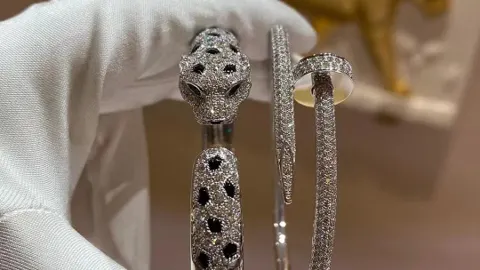
The most personal piece many people own
Of all the jewellery that passes across a pawnbroker’s counter, engagement rings carry perhaps the heaviest load of meaning. They mark a promise, sometimes a marriage, sometimes a relationship that has ended. They may have been chosen with great care, inherited from a grandparent or reset from family stones. Deciding to pledge one is rarely a purely financial decision, and it deserves to be approached with both head and heart. Pawnbrokers who handle such pieces regularly tend to understand this well.
People pawn engagement rings for many reasons: a temporary gap in cash flow, an unexpected bill, a business need, or simply the fact that a ring is worn less often than it once was. Understanding the practical realities, from valuation to ownership, can help make the choice a considered one rather than one taken in haste. It can also help to talk the decision through with someone you trust, even if the final choice remains yours, because a second voice can bring perspective that is hard to find alone when money is tight.
Why the offer may differ from the price paid
The first surprise for many borrowers is the size of the loan relative to what the ring cost. Retail prices for engagement rings include the jeweller’s margin, design, brand and the costs of running a shop. A pawnbroker lends against what the ring could be sold for in the trade, and then offers a proportion of that figure to allow for interest, costs and market movement. The gap can feel stark. Knowing this before visiting a lender can make the conversation easier.
The main drivers of value are the centre stone, its weight, colour, clarity and cut, followed by the metal and any smaller diamonds. A grading report and the original receipt help, as does a signed mount from a recognised house. Designer names can add value, while bespoke or highly personal designs may contribute little beyond their materials, however much they mean to their owner. Resetting a stone in a new mount, or combining family diamonds into a modern design, may also have changed its value in ways the owner has not considered.
Whose ring is it to pledge?
When you pawn an item, you confirm that you own it or are entitled to pledge it. With engagement rings, ownership can be less obvious than it first appears. In English law, an engagement ring given by one partner to another is generally presumed to be an outright gift, though that presumption can be displaced in some circumstances. Rings lent by family members, or heirlooms held on an understanding within a family, may not be yours to pledge at all.
If there is any doubt, particularly after a separation or where a ring is shared family property, it is wise to resolve the question before visiting a lender and, where appropriate, to take independent advice. Pledging an item you are not entitled to can have legal consequences and could cause lasting damage to relationships. A lender will usually ask you to confirm ownership and may ask questions if a situation seems unclear. These questions are routine rather than accusatory, and answering them frankly protects everyone involved in the arrangement, including you.
The emotional weight of the decision
Many borrowers find the most difficult moment is not the valuation but handing the ring over. It helps to be honest with yourself about how you will feel without it, whether a partner knows and how you would feel if, for any reason, it could not be redeemed. For some, a pledge is a practical, private arrangement that causes little concern. For others, the ring’s absence is a daily reminder. Neither reaction is wrong, but it is better to know which applies to you before signing.
Discretion is a hallmark of reputable high-end pawnbroking, and conversations are usually private. Still, secrecy within a relationship can create its own strains. Some couples find it easier to make the decision together, treating the ring as a shared asset temporarily put to work, while others decide that the ring is simply not something they are prepared to risk. Whatever you decide, making the decision openly and without pressure tends to leave fewer regrets, whether the ring is redeemed quickly or eventually sold.
Planning for the day you collect it
The best protection for a sentimental item is a clear plan to redeem it. Before borrowing, work out how and when you will repay, including the interest that will accrue. UK pawn agreements provide a redemption period of at least six months, and you can usually redeem earlier, paying interest only for the time the loan has run. Many lenders will also discuss extending or part-paying if circumstances change. Asking about these options at the outset can bring peace of mind.
Keep your pawn receipt and agreement safe, note the key dates, and contact the lender early if you anticipate difficulty. If a pledge is not redeemed, it may ultimately be sold, subject to the notice and surplus rules that apply above a statutory value. Knowing these protections exist is reassuring, but for an engagement ring, the aim should be never to need them. Setting aside repayments from the start, rather than leaving the full sum until the end of the term, is one of the simplest ways to make sure the ring comes home.
Weighing the alternatives with care
Before pledging an engagement ring, consider whether other options might suit better, such as borrowing against a less personal item or discussing a payment arrangement with whoever you owe. Compare offers from more than one regulated pawnbroker, read the credit agreement closely and be clear about the total charge for credit. There is no single right answer; only the one that fits your circumstances. Taking a little time before deciding, rather than acting on the day a bill arrives, can make a considerable difference to how you feel afterwards.
Whatever the outcome, give yourself time to make the decision; a ring kept, pledged or sold should reflect a choice you can live with comfortably in the years ahead, not simply the pressure of the moment. Some people conclude, often after a relationship has ended, that they would prefer to part with a ring for good rather than borrow against it. For those owners, EncoreLuxe offers discreet private valuations of diamond and designer jewellery, with no obligation to sell.