
care guide
Rolex Service Cost UK and Whether to Service Before Selling
Rolex service cost: A practical UK guide to condition, demand, authentication and private valuation.
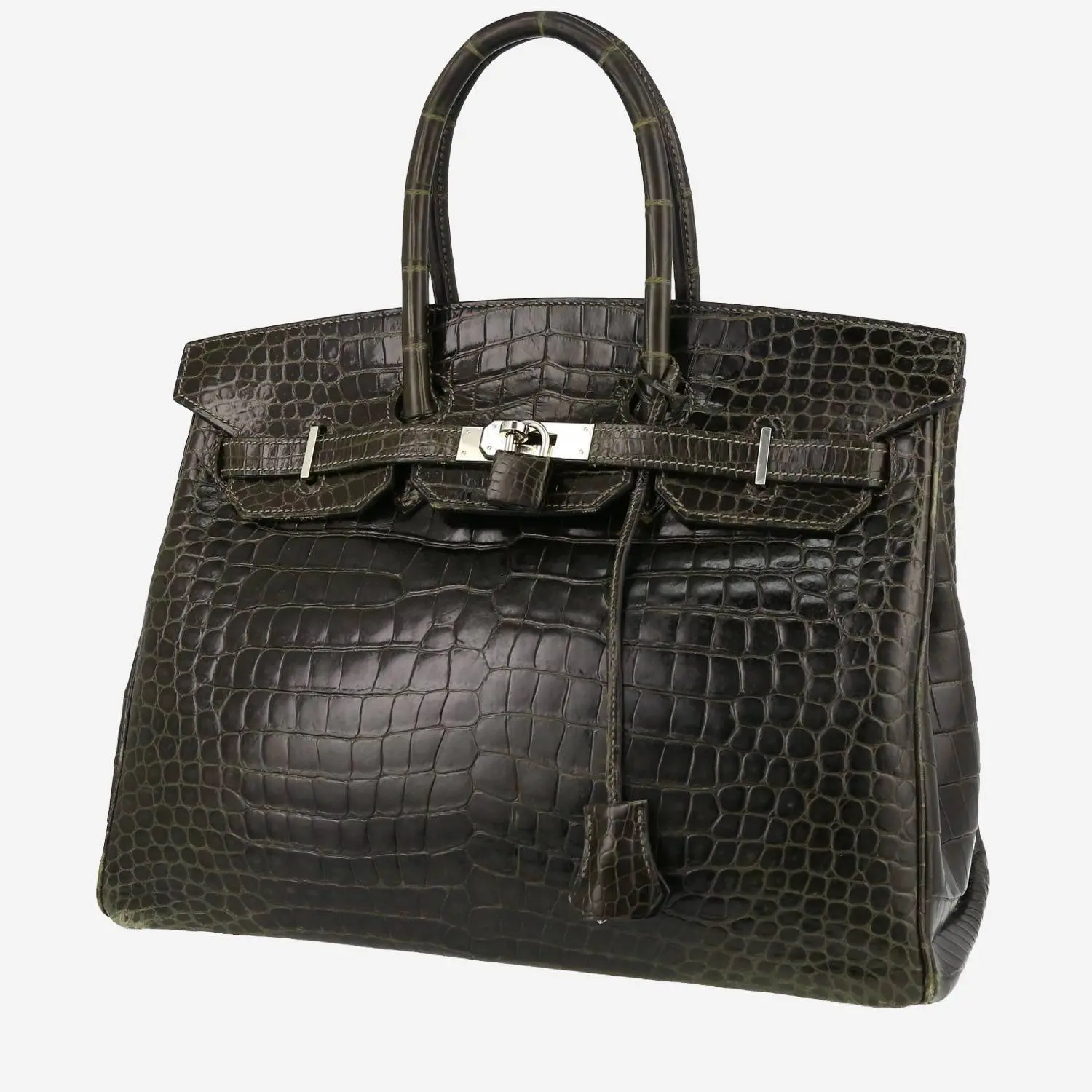
Assess the material before doing anything
Advice about rolex service cost must begin with identification. Similar-looking surfaces can be lambskin, coated canvas, calfskin, exotic leather, plated metal, solid gold, steel, crystal, textile or a combination of materials. Each reacts differently to water, heat, solvents, polish and pressure. Check the brand’s care information and any repair history, then test only the least invasive method in an inconspicuous place. If you cannot identify the finish, stop before a small mark becomes permanent damage.
Document the current condition in indirect daylight. Photograph scratches, stains, dryness, loose stitching, tarnish, glazing, movement issues and previous repair work. This creates a useful baseline and helps a specialist distinguish wear from a newly introduced problem. Owners preparing to sell should request an as-is valuation before spending money. The market may prefer original surfaces, and an expensive treatment does not necessarily add an equal amount to the offer.
Use the least aggressive cleaning method
Begin with clean dry hands, a soft lint-free cloth and gentle dust removal. Do not saturate the watch, scrub a textured surface or apply household wipes, perfume, alcohol, baby products or multipurpose leather cream. These can lift dye, leave residue, weaken coatings and create glossy patches that are difficult to reverse. Work slowly and stop if colour transfers to the cloth. Patting is generally safer than rubbing when moisture is involved.
Metal hardware and jewellery also require material-specific care. A polishing cloth designed for one alloy can remove plating or change an intentionally aged finish on another. Watch cases should not be opened or immersed at home, even if the model was water-resistant when new; seals deteriorate. For rolex service cost, cleanliness is secondary to preservation. A specialist buyer can address ordinary surface dust more easily than damage caused by vigorous preparation.
Handle stains, odour and moisture cautiously
Blot fresh moisture with an absorbent white cloth and allow the item to dry naturally away from direct heat. Hairdryers, radiators and strong sunlight can shrink leather, set tide marks or weaken adhesives. Do not chase a stain outward with more liquid. For ink, oil, mould, cosmetics or colour transfer, photograph the area and seek material-specific advice. Internet remedies often hide the immediate mark while creating a larger difference in texture or colour.
Odour should be treated as evidence of an underlying environment. Air the watch in a dry, shaded space, separate from other pieces, and inspect for mould or damp. Fragrance, bicarbonate and loose powders can become embedded and may create a new problem. If mould is suspected, avoid brushing spores through the room. Professional conservation or brand repair advice is safer, especially for vintage pieces and porous linings.
Protect shape, surfaces and moving parts
Support a bag with clean acid-free tissue or a soft insert that does not stretch it. Fasten closures lightly, place straps so they cannot emboss the body and wrap exposed hardware to prevent contact marks. Jewellery should be stored separately, while a watch bracelet should not rub against its case back. Do not leave heavy objects resting on the watch. Long periods of pressure can distort structure even when the cupboard appears safe.
Exercise functional parts only when they move freely. Forcing a stiff zip, crown, clasp or hinge can turn routine servicing into a replacement. Mechanical watches benefit from professional assessment if they stop, lose significant time or show moisture; repeatedly winding a damaged movement may worsen it. Keep detached components and replaced parts. They can support provenance and may retain value even if they are no longer fitted.
Create a safe storage environment
Store luxury items in a stable room rather than a loft, garage, basement or bathroom. Avoid radiators, exterior damp, strong daylight and rapid temperature changes. Breathable dust protection is preferable to sealed plastic, which can trap moisture and react with finishes. Leave enough space for air movement and avoid colour contact between pale leather and dark textiles. Periodically inspect the collection so a leak, mould spot or failing coating is found early.
Boxes are useful for protection but should not compress the object. Silica products must be used cautiously because very dry conditions can also damage leather and organic materials. Keep receipts, certificates, spare links and care documents nearby but not pressed against the item. A short condition note with the storage date is particularly useful for collections, inheritances or pieces used only occasionally.
Decide whether professional repair is worthwhile
Manufacturer service can preserve access to correct materials and official records, but it may be expensive, slow or limited by age. Independent specialists may offer narrower repairs, yet quality and future acceptability vary. Ask exactly what will be replaced, refinished or polished, whether removed components are returned and how the work is documented. For vintage watchs, conservation and cosmetic renewal are not the same objective.
Compare a repair quotation with two valuations: the likely value as-is and the estimated value after approved work. Include the time without the item and the chance that the finished appearance will not suit collectors. Essential structural or safety work may be worthwhile even without a full financial return; purely cosmetic work often requires more caution. Never hide a repair from a buyer, as specialist inspection may identify it and revise the offer.
Preserve resale value when preparing to sell
For a valuation, present the watch honestly rather than trying to make it look unused. Remove personal contents and loose dust, gather every accessory and take clear photographs before any treatment. Include close-ups of wear, serial or reference details and previous repairs. Do not polish away hallmarks, remove protective stickers, recolour edges or arrange a watch service solely because a general article suggested it. The best decision depends on the exact model and condition.
EncoreLuxe specialists can review photographs and explain whether ordinary wear is acceptable, whether further information is needed and whether professional work is likely to affect an offer. The final valuation follows physical authentication and condition confirmation. That sequence gives rolex service cost a commercial context: careful maintenance should protect the object first, while any spending before sale should be justified by evidence rather than optimism.