
vintage guide
Vintage Dior Bags and Couture: Values by Era
Vintage dior: Learn the checks, value factors and safest UK selling options from EncoreLuxe specialists.
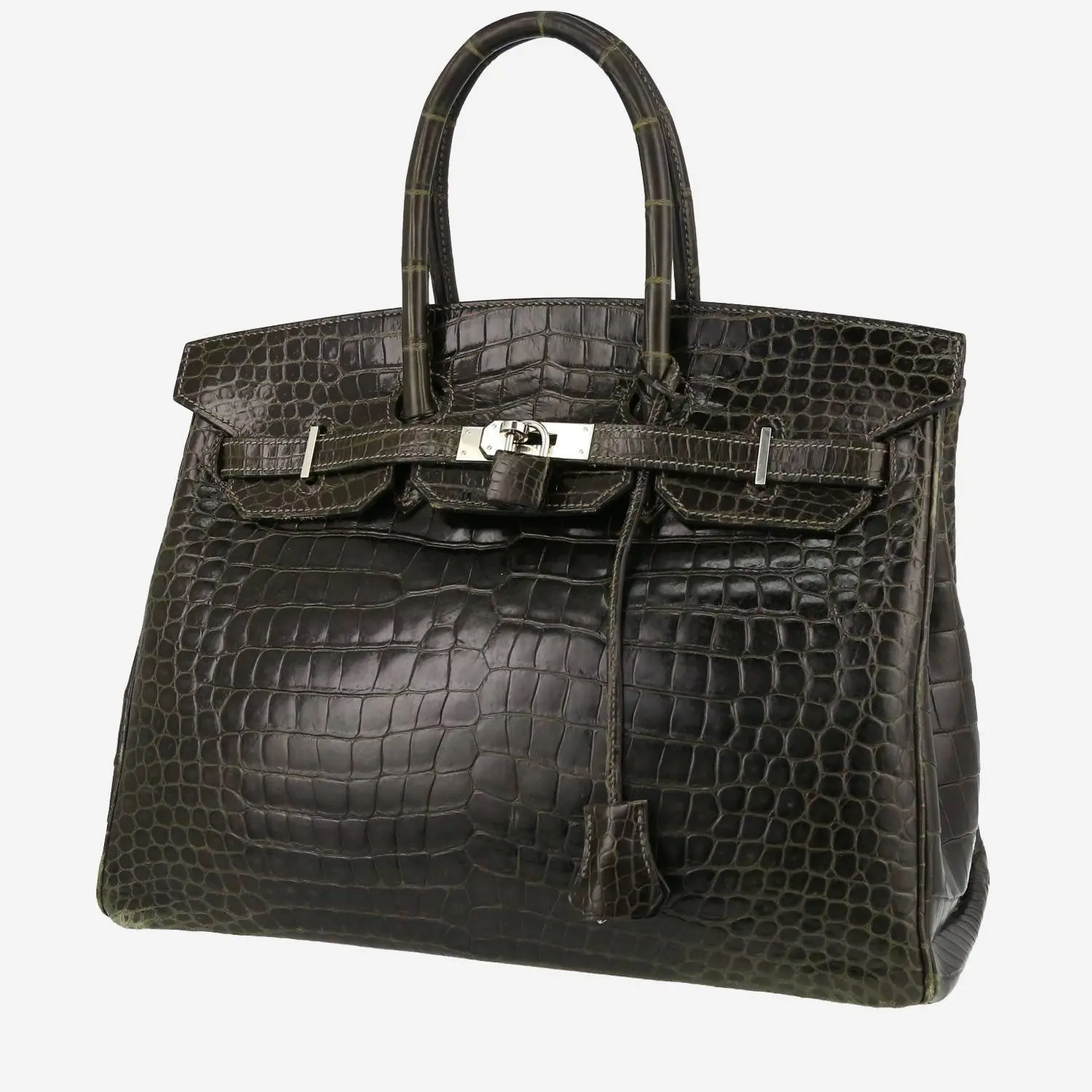
What counts as vintage dior
The word vintage is used loosely, so vintage dior should begin with dating the actual piece. Some sellers apply the label to anything discontinued, while collectors usually expect meaningful age and period character. Production methods, logos, references, hardware and materials can place an item within an era even when the receipt is missing. A precise description such as decade, collection or reference family is more useful than attaching “vintage” to a recent design simply because it is pre-owned.
Christian Dior designs often evolve rather than change overnight. Transitional examples may combine earlier and later features, and long-lived models can be difficult to date from silhouette alone. Build a view from several clues: construction, serial or date information, typography, lining, movement, hallmarks and documented service history. Treat online charts as starting points because manufacturing sequences can overlap and later repairs may introduce components from another period.
Identify the era and exact version
Begin by recording dimensions, materials, colour, closure, hardware and every readable mark. For watches, the reference, dial configuration, case and movement matter; for bags and fashion, inspect labels, stamps, stitching, interior construction and seasonal details. Photograph rather than repeatedly handling fragile areas. The aim is to establish what the fashion piece was when made and which elements remain original today. That distinction has a direct effect on collectability.
Reference books, archived catalogues and confirmed auction records are more dependable than anonymous image boards. Compare your piece only with examples from the same period and specification. Reissues can closely resemble originals while using different dimensions or codes. When evidence conflicts, avoid forcing an exact year. A defensible date range gives a prospective buyer more confidence than a false precision that falls apart during specialist inspection.
Originality versus restoration
Collectors often accept age but care deeply about originality. Patina, softened leather, light dial ageing and worn plating can belong to the history of vintage dior. Heavy refinishing may remove that evidence. Repainting, replacement dials, recut edges, new stones, relining and polishing should be disclosed, even when the work was completed skilfully. Manufacturer repairs may be commercially welcome but can still replace details prized by an originality-focused collector.
Do not commission restoration automatically before selling. First obtain an as-is opinion, then compare the work’s cost with the likely improvement in marketability. Fragile, rare or historically interesting pieces are especially easy to over-restore. Safe stabilisation, such as preventing further moisture or storing an item correctly, is different from making it look new. The right goal is to preserve character while giving a buyer an honest account of condition and intervention.
Condition issues common to older pieces
Age creates predictable vulnerabilities. Leather can dry or crack at folds, textiles can weaken, adhesives can fail, metal can oxidise and watch seals can lose resistance. Storage may cause odour, mould, colour transfer or distortion even when the item was rarely used. Inspect gently in good light and never test water resistance, force a stiff mechanism or apply household cleaner. Photograph every concern so a specialist can judge whether it is stable wear or active deterioration.
A well-used vintage fashion piece is not automatically low value. Honest, even ageing can be attractive when the model is desirable and important components survive. Structural damage, missing parts and invasive alteration usually matter more than superficial marks. Working condition also needs context: a watch may require service, while an older bag may remain collectable despite a replaced zip. A nuanced valuation separates usability, cosmetic condition and historical integrity.
How collectors decide what to pay
Demand for vintage dior is shaped by design significance, rarity, wearability, originality and the number of credible examples available. Famous references and recognisable silhouettes usually attract a broader audience; unusual materials or documented provenance can create specialist premiums. Scarcity alone is not enough. A rare version that few people recognise may take longer to place than a more common classic in a particularly desirable configuration.
Record auction prices can distort expectations because they often involve exceptional condition, celebrity provenance or an intensely competitive sale. Compare recent sold examples and account for auction premiums, seller commission, tax treatment and restoration differences. A direct buyer’s offer reflects the risk and work involved in bringing an older item back to market. Owners should judge the net outcome, timing and certainty rather than anchoring to the highest result ever reported.
Store and handle vintage luxury safely
Keep the fashion piece in a stable, dry room away from radiators, loft heat, damp walls and prolonged sunlight. Support its natural shape without overstuffing, separate reactive metals and coloured materials, and use breathable protection rather than sealed plastic. Watches should be kept dry and away from magnets; jewellery should be separated to prevent abrasion. Retain detached parts, old straps, receipts and service documents because they may explain originality later.
Cleaning should be minimal until materials are identified. A soft dry cloth may remove loose dust, but products intended for modern leather or metal can darken, strip or polish away an older surface. If the item smells musty, isolate it from the rest of a collection and seek advice rather than masking the odour. Good storage cannot reverse damage, but it prevents avoidable deterioration while you decide whether to keep, insure or sell.
Selling vintage dior with a clear history
Prepare a concise ownership and condition record. Include when and where the piece was acquired if known, previous servicing or restoration, measurements, identifying details and a complete accessory list. Photograph the overall item and close-ups of marks, wear and period features. Do not invent provenance or separate old components that appear unattractive; they may be useful evidence. Privacy can be protected by obscuring personal data and sharing full serial information only with the chosen specialist.
A buyer experienced in vintage luxury should explain how dating, authentication and condition affect the offer. Physical inspection remains essential because photographs cannot reveal weight, movement condition, hidden repairs or material stability. EncoreLuxe provides a private route for owners who prefer a direct assessment to a public auction or marketplace listing. The resulting offer gives a practical answer while respecting the history that makes vintage dior interesting in the first place.