The whole item
Overall structure and completeness provide context. Include front, back, sides, base and interior where relevant.
 Free valuation
 Worn does not always mean worthless
Scratches, worn corners, a non-running movement, missing stones or altered clothing can reduce value without necessarily preventing a specialist review.
Request a free assessment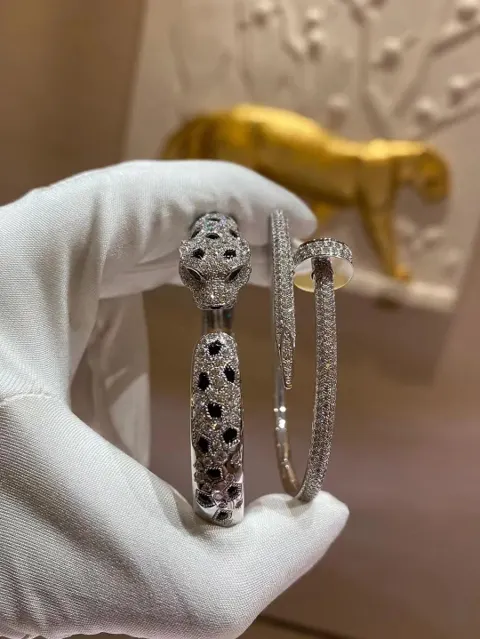
Start with the right question
A desirable model can retain a market in imperfect condition, while the cost or uncertainty of restoration can outweigh demand for another. EncoreLuxe considers the exact defect, whether the item remains complete and original, and what a responsible onward route would require.
Do not repair, polish, recolour, clean or open an item solely to improve a valuation. Intervention can remove original material, obscure useful evidence or cost more than it adds. Photograph the current condition and disclose previous work.
Practical framework
Overall structure and completeness provide context. Include front, back, sides, base and interior where relevant.
Show scratches, tears, stains, odour sources, missing parts, stone loss, corrosion, cracks, worn plating and functional issues.
Disclose brand and independent work, replacement parts, polishing, recolouring, resizing and alterations, with invoices if available.
Describe what you have safely observed. Do not force fastenings, wind a resistant watch or test water resistance at home.
On a bag, worn corners, glazing, handle darkening, staining, structure and odour have different repair implications. On a watch, a scratched clasp differs from water damage, missing movement parts or an over-polished case. In jewellery, a loose setting, chipped stone, broken clasp and altered hallmark each require separate consideration.
For fashion, stains, pulls, moth damage, missing embellishment and alterations can affect wearability and scarcity. Good photographs and measurements help establish whether a specialist inspection is worthwhile.
Collectors may prefer honest wear to aggressive restoration. Refinished watch dials, softened case edges, replacement hands, recoloured leather, re-plated hardware or altered jewellery can change identity and demand even when the item looks newer.
This does not mean all repair is harmful. Necessary stabilisation by an appropriate specialist can protect an item. The important point is to document the work and seek advice before an irreversible cosmetic intervention.
A direct offer accounts for authentication, specialist work, missing components, handling, uncertainty and onward-sale risk. The cost of a retail repair is not automatically added back to the value. Some pieces may not fit current buying criteria if restoration is disproportionate or authenticity cannot be confirmed.
There is no charge to ask. An honest decline can be more useful than spending money on speculative repair. If EncoreLuxe can consider the piece, the first figure remains indicative until physical inspection.
Questions, answered
Some non-running luxury watches may be considered depending on reference, originality, completeness and likely movement condition. Do not force the crown or open the case.
Not without advice. Recolouring, replaced leather or altered structure can affect originality, and repair cost may exceed any value gained.
It may still have value depending on the maker, metal, remaining stones, identity and repair requirements. Photograph the empty setting and retain any loose stone.
Complimentary and private
Share clear full-item and close-up photographs. A private review can establish whether the piece fits current buying criteria before you spend money on repair.
Complimentary valuation
Share a few details and photographs. A specialist reviews your piece privately and replies with a no-obligation offer—without listings, strangers or seller fees.