
pawnbroking guide
Pawnbrokers in Literature and Film: From Dickens to the Screen
From Dickens’s pawnbroker’s shop to Dostoevsky and Sidney Lumet’s The Pawnbroker, how writers and filmmakers have portrayed the pawn counter.
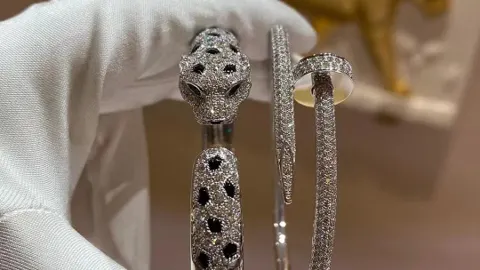
Why storytellers keep returning to the counter
Few commercial settings are as dramatically useful as a pawnbroker’s shop. It is a place where people arrive with something precious and leave with money, where private hardship becomes briefly visible, and where objects carry stories of the lives that owned them. For novelists and filmmakers, the counter offers a ready stage for confession, desperation, temptation and occasional grace. It is also a space where strangers meet across a very unequal exchange, which lends itself to tension. Few other shops invite customers to hand over their most private possessions.
The portraits that result are rarely neutral. Across two centuries of fiction, the pawnbroker has appeared as a moral villain, a weary witness, a figure of comedy and a lonely man haunted by his past. Tracing those portrayals reveals as much about each era’s attitude to money, class and debt as it does about the trade itself. It also helps explain why the modern industry has worked so hard to reshape its image. Each portrayal builds on the last, creating a composite figure that still colours public imagination.
Dickens and the pawnbroker’s shop
Charles Dickens knew the world of London pawnbroking intimately, and he wrote about it directly in Sketches by Boz, where one piece, The Pawnbroker’s Shop, observes the customers who come through the doors. Dickens’s sketch is less interested in the proprietor than in the people pledging their goods: the respectable woman trying not to be seen, the drunken regular, the young girl pawning a small keepsake. The shop becomes a window onto the city’s poverty.
Dickens’s own childhood experience of family debt, including his father’s imprisonment for debt in the Marshalsea, gave his writing about money a particular sharpness. His London is full of pledges, second-hand dealers and people living one small crisis from disaster. Read today, the sketch captures the social reality of Victorian pawnbroking with a precision that historians still find valuable, while never letting the reader forget the human cost. It remains one of the most direct literary records of the trade in its Victorian heyday.
Dostoevsky’s pawnbrokers: murder and marriage
The most famous pawnbroker in world literature is probably the old woman whom Raskolnikov murders in Fyodor Dostoevsky’s Crime and Punishment. She is portrayed as grasping and unpleasant, and Raskolnikov persuades himself that killing her would be a justifiable act, an argument the novel then dismantles over hundreds of pages of guilt and psychological collapse. The pawnbroker serves as a symbol of the petty exploitation Raskolnikov imagines he is entitled to end. Dostoevsky’s portrayal drew on familiar prejudices about moneylenders, but his real subject is the murderer’s self-justification.
Dostoevsky returned to the trade in his short story A Gentle Creature, sometimes translated as The Meek One, in which the narrator is a pawnbroker reflecting on his marriage to a young woman who had pledged her few possessions with him. Here the pawnbroker is not a caricature but a proud, wounded and self-deceiving man. The story remains one of the most searching portraits of the profession ever written. Its narrator’s justifications, like Raskolnikov’s, gradually unravel under the reader’s gaze.
The Pawnbroker and the screen’s darker turn
In 1964, Sidney Lumet directed The Pawnbroker, based on the novel by Edward Lewis Wallant, with Rod Steiger in the title role. Steiger plays a Holocaust survivor running a pawnshop in Harlem, emotionally numbed by his past and dealing with his customers with cold detachment. The film was notable for its fractured flashback editing and its willingness to confront trauma, and it is widely regarded as a landmark of American cinema. Steiger’s performance was widely praised and brought him considerable recognition.
The pawnshop in Lumet’s film is a place of transactions without warmth, and the drama lies in the slow return of feeling to a man who has shut himself away. It set a template that many later films echoed, using the pawnshop as a gritty urban backdrop where criminals fence goods and ordinary people sell their last valuables. That association with crime and desperation proved hard for the real trade to shake off. Many later crime dramas used the pawnshop as a shorthand for moral compromise.
Songs, slang and everyday culture
Pawnbroking also left its mark on everyday language and popular song. The nursery rhyme Pop Goes the Weasel is often interpreted as describing the pawning of a coat or tool to pay for drink, with “pop” as slang for pawning, though the meaning of the lyrics has been debated. Expressions such as being “in hock” and calling the pawnbroker “Uncle” testify to how familiar the trade was in working households. Such phrases have outlived the everyday trade that inspired them.
Comedy found rich material in the pawnshop too, from music hall jokes about Sunday suits pledged on Monday to modern sitcom scenes of characters sheepishly retrieving embarrassing possessions. More recently, reality television has presented pawnshops as places of haggling and colourful characters, often with an American flavour quite different from the regulated British trade. Each version shapes public expectations in its own way. British audiences often absorb those images without realising how different the rules are at home. The gap between screen and reality is part of what the modern trade has had to address.
Fiction versus the modern pledge
Set beside these stories, contemporary British pawnbroking looks remarkably different. The trade is regulated consumer credit, pawnbrokers require FCA authorisation, and borrowers have a written agreement, a minimum six-month redemption period and the right to redeem before sale. The upper end of the market operates from discreet, appointment-based premises with specialists trained in gemmology and horology rather than dusty back rooms. Borrowers are identified, items are checked, and pledges are stored and insured with care. For higher-value pledges, notice must be given before sale and any surplus accounted for.
Yet the enduring literary image is not entirely wrong. Pawnbroking still sits close to people’s private lives, and pledging a treasured object can still carry real emotion. Perhaps that is why writers keep returning to it: the counter remains a place where value is weighed in more than money. For readers, the best of these works are a vivid way into the social history behind a trade that is centuries old. And they remind modern readers how much the trade’s protections have changed.