
pawnbroking guide
Why Victorians Called the Pawnbroker ‘Uncle’
Why was the pawnbroker nicknamed Uncle? Exploring the theories behind the slang, from Latin hooks to family euphemism, plus popping and the spout.
A relative nobody talked about
In nineteenth-century Britain, a watch that had gone missing from a waistcoat might be explained with a knowing phrase: it was at my uncle’s. Everybody understood. The watch had been pledged with the local pawnbroker, and the owner hoped to fetch it back on payday. Uncle became one of the most enduring nicknames for the trade, turning up in music-hall songs, newspapers and novels, and surviving well into the twentieth century among people who had never set foot in a pawnshop themselves.
The nickname is affectionate and evasive at once. It softened an awkward admission, disguised financial difficulty as a family errand and hinted at the pawnbroker’s curious role in working-class life, part creditor, part confidant, part neighbourhood fixture. Yet the precise reason for choosing uncle, rather than any other relative, has never been settled. Several explanations circulate, each plausible in its own way, and none can be proved beyond doubt. What follows are the leading candidates.
The Latin hook theory
The most frequently repeated explanation is linguistic. Latin uncus means a hook, and pawnbrokers are said to have used long hooked poles to lift pledged bundles onto high shelves or retrieve them from storage. On this reading, going to uncle was originally a pun for going to the man with the hook, perhaps a joke made by those with a smattering of schoolroom Latin. It is a neat story, and it has been repeated in reference books and trivia columns for well over a century.
Sceptics point out that neat stories are often invented after the fact. There is little direct evidence that ordinary Londoners were punning on Latin when they coined street slang, and the hook theory has the hallmarks of a learned rationalisation. That does not make it impossible; slang does sometimes emerge from educated jokes that filter downward. But it is best treated as one theory among several rather than as the established origin that popular retellings sometimes claim.
Family euphemism and the French aunt
A simpler explanation is that uncle was chosen precisely because it was so ordinary. Saying you had left something with a relative was a respectable cover story. An uncle is a figure who might plausibly lend a hand in a tight spot without asking too many questions, and the euphemism allowed people to discuss pawning in company without embarrassment. The fact that the nickname feels warm rather than bitter suggests it grew out of this kind of domestic discretion.
There is a striking parallel across the Channel. The French long referred to their municipal pawn bank, the mont-de-piété, as ma tante, my aunt, and to pawning as leaving something chez ma tante. A popular anecdote attributes the phrase to a French prince who claimed to have left his watch with his aunt, when in fact he had pawned it, though that story is itself unverifiable. Whether the British and French euphemisms influenced one another or arose independently is unclear.
Popping, spouts and the language of the shop
Uncle was only one part of a rich vocabulary. To pawn something was to pop it, and the pawnshop was sometimes called the pop shop. Goods that had been pledged were said to be up the spout, a phrase often linked to the chute or lift that carried items from the counter to storage above, with the ticket-holder’s possessions disappearing upward until they were redeemed. Over time, up the spout drifted into general use as a way of saying something was ruined or lost.
The nursery song Pop Goes the Weasel is frequently connected with pawning, with pop taken to mean pawn and the weasel interpreted variously as a coat, through rhyming slang, or as a tool of some trade. As with uncle, the interpretations are debated and the song’s origins are murky. What is clear is that pawning was woven so deeply into everyday life that it generated its own playful idiom, much of which outlived the circumstances that created it.
What the nickname reveals about the trade
A nickname is a kind of verdict. Moneylenders in popular culture were often cast as villains, yet the pawnbroker earned a family title. That reflects the reality that, for many households, the pawnshop functioned as a routine source of small, short-term credit. Clothes pledged early in the week might be redeemed when wages arrived, a rhythm that made the pawnbroker a regular presence rather than an emergency resort. Familiarity bred a certain intimacy, even when the terms were hard.
At the same time, the euphemism reveals shame. People did not want to be seen entering the shop, which is why many pawnbrokers provided side doors and partitioned counters. Calling the pawnbroker uncle allowed a necessary transaction to be discussed without naming it. The combination of dependence and discretion is the emotional core of the word, and it helps explain why the trade struggled for so long to shake off an association with hardship.
From Uncle to private client
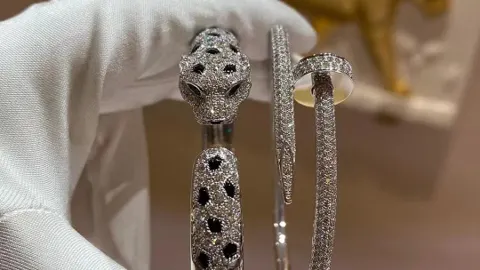
Today’s luxury pawnbrokers rarely use the old slang, though some enjoy its period flavour. Their clients are more likely to discuss asset-backed lending or short-term liquidity, and the transaction may take place in a private consulting room rather than across a crowded counter. The need for discretion, however, remains constant. Whether the pledge is a Victorian worker’s pocket watch or a contemporary collector’s diamond bracelet, most people still prefer that their financial arrangements stay private.
What has changed most is the framework of protection. A modern pawn agreement is regulated consumer credit under the Consumer Credit Act 1974, the lender must be authorised by the Financial Conduct Authority, and the borrower has at least six months to redeem. Uncle, in other words, now answers to a regulator. Anyone thinking of borrowing against a valuable should still read the credit agreement carefully and weigh the alternatives, just as a prudent Victorian would have weighed the week’s wages.